Reptile Calcium Supplements: Fix MBD Before It Starts
- Date
- Reads
- 6 x
Quick jump — what I'd check first
I learned about reptile calcium supplements the hard way. Years back, a juvenile bearded dragon of mine started twitching. I thought I had the powder thing sorted — a tub of calcium sat on my shelf, dusted on crickets a few times a week. The vet took one look and said metabolic bone disease. That dragon survived, but the lesson stuck: calcium is not one product, and dosing is not random.
Here's what I wish someone had told me earlier. Calcium powder with D3, calcium without D3, and multivitamin dusts do different jobs. Get them mixed up and you either under-dose or push vitamin D3 too high. Below I break down what actually matters, based on my own mistakes and a lot of time spent talking to keepers who got it right.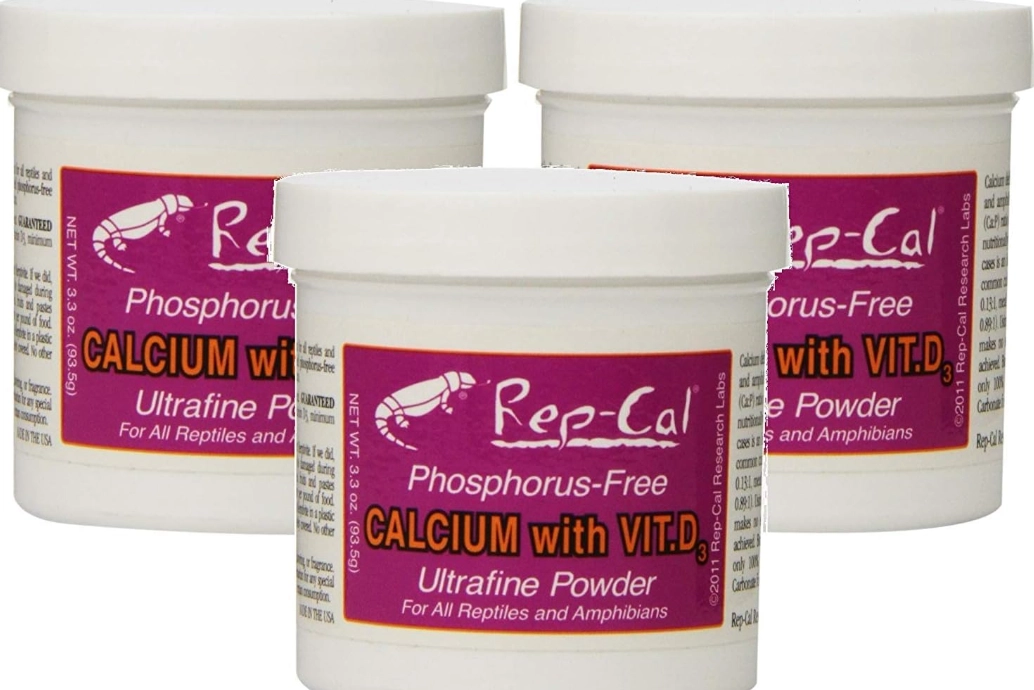
What Are Reptile Calcium Supplements?
They're powdered or liquid calcium products added to feeder insects or food to support bone health, nerve function, and muscle activity in captive reptiles. Wild reptiles get calcium from varied prey and, indirectly, from sunlight-driven vitamin D3 synthesis. Captive setups rarely match that.
Three broad types show up on shelves:
- Calcium carbonate powder (no D3) — the base bone-building mineral. Cheap, effective, but useless without adequate UVB or dietary D3.
- Calcium with D3 — pre-formed vitamin D3 included. Helpful for species with low UVB exposure or during winter when natural light drops.
- Calcium plus multivitamin blends — convenient, but easy to over-supplement fat-soluble vitamins if used daily.
I keep a plain calcium carbonate tub and a separate D3 tub. Mixing them into one “all-in-one” routine is where a lot of new keepers slip.
Why Most Keepers Get Calcium Wrong
The common advice — “dust feeders every feeding” — is too blunt. It ignores UVB strength, species, age, and whether the reptile is growing or breeding. I've seen adult leopard geckos on daily D3 powder develop soft tissue calcification. I've also seen keepers with strong Arcadia or Zoo Med UVB tubes over-supplementing D3 out of habit.v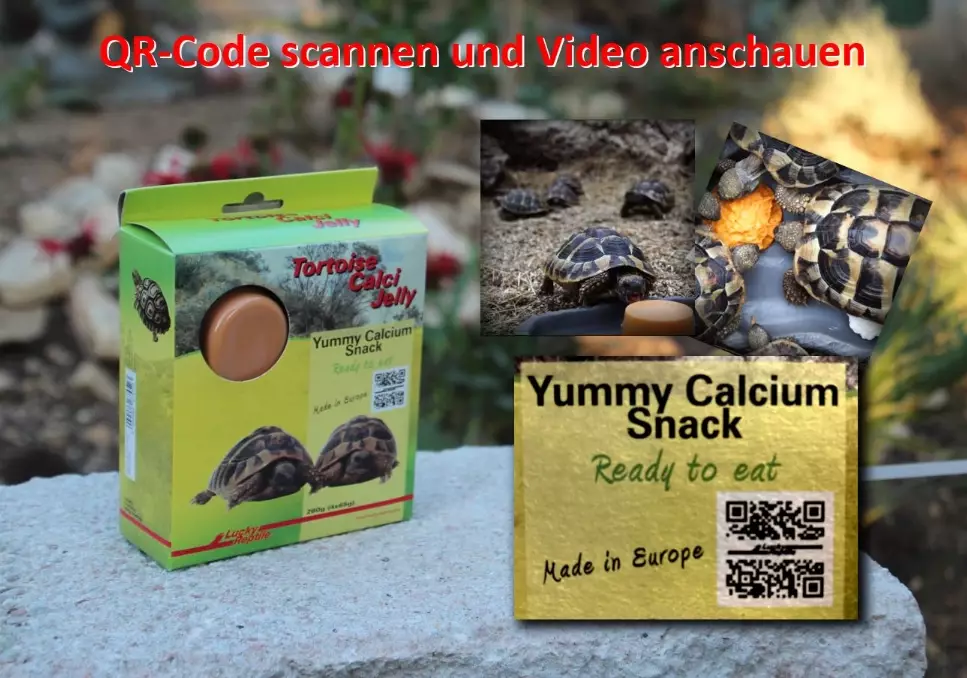
My rule of thumb: if your UVB bulb is under six months old and your reptile basks regularly, plain calcium without D3 should be your daily dust. Reserve D3 powder for animals with weak UVB access or a vet-confirmed deficiency.
Another trap: dusting only the insects, not the salad. Bearded dragons and tortoises that eat greens often get zero calcium from a bowl of collard greens alone. Lightly dusting the greens with calcium carbonate once or twice a week helps close that gap.
How to Choose the Right Reptile Calcium Supplements
I look at four things before buying: calcium form, particle size, D3 presence, and whether the brand publishes a clear analysis. Fine powder sticks to crickets better. Coarse powder falls off. Rep-Cal, Zoo Med, and Arcadia all publish calcium content; some budget brands don't. That matters.
- Calcium carbonate — about 40% elemental calcium by weight. Most common and cost-effective.
- Calcium gluconate — lower elemental calcium, sometimes used in liquid form for reptiles recovering from MBD.
- Calcium citrate — absorbs better without stomach acid, but less common in reptile-specific products.
Check the phosphorus-to-calcium ratio. Feeder insects like mealworms run high in phosphorus, which competes with calcium absorption. A supplement with no added phosphorus is what you want. Any product labeled “calcium” but listing bone meal or phosphorus near the top of its ingredient list is one I skip.
What to ignore on the label
Flashy claims like “super absorption” or “vet-approved” mean nothing without a guaranteed analysis. Look for actual percentages. If a tub doesn't list calcium content, put it back.
Calcium Without D3: When and Why
Calcium without D3 is your daily workhorse for reptiles with good UVB. Vitamin D3 is what lets the body absorb calcium. Too much pre-formed D3 from powder plus strong UVB can overshoot. I've watched keepers fix one deficiency and create another by using D3 powder at every feeding.
Species with crepuscular or nocturnal habits — leopard geckos, many snakes — often get less UVB, so they may need a D3-dusted feeding once a week or a low-level UVB source. It's not one-size-fits-all. My leopard gecko gets plain calcium twice weekly and a D3 dust once weekly, with a 7% UVB tube on a timer.
| Scenario | Recommended Product | Dusting Frequency |
|---|---|---|
| Juvenile bearded dragon with fresh UVB tube | Calcium carbonate, no D3 | Daily on insects, 3x weekly on greens |
| Adult leopard gecko with low UVB | Calcium with D3 | Once weekly; plain calcium 2x weekly |
| Growing tortoise on outdoor access | Plain calcium carbonate | 2–3x weekly on greens |
| Reptile recovering from early MBD | Liquid calcium gluconate (vet-guided) | As directed by vet |
Reptile Calcium Supplement Dosage by Species
There's no universal scoop size. I dose by feeder volume, not by teaspoon. A light coating that makes insects look chalky but still visible is about right. Too much powder and the insect stops moving — reptiles ignore still prey.
For a bearded dragon under a year old, I dust every insect feeding with plain calcium and dust the salad twice weekly. Adults get plain calcium three times a week and D3 once a week if they're indoors. Leopard geckos get a small dish of plain calcium in the tank (they self-regulate) plus dusted feeders twice weekly. Tortoises need calcium on greens two to three times weekly; outdoor ones with real sun need less D3.
The gut-loaded insect matters as much as the dust. Crickets fed on high-calcium gut-load diet carry more calcium before dusting. I use a commercial gut-load plus carrot and sweet potato. That combo has made a visible difference in my geckos' growth.
For species-specific care standards, the Association of Zoos and Aquariums publishes husbandry guidelines, and the Association of Reptilian and Amphibian Veterinarians is where I point anyone dealing with suspected MBD. Those two sources have kept me from guesswork more than once.
FAQ: Reptile Calcium Supplements
My bearded dragon refuses dusted crickets. How do I get calcium in without the powder falling off?
Shake the insects in a bag with a small pinch of fine calcium carbonate — not a scoop. If they still refuse, dust the salad instead and use a calcium-rich gut-load for the insects. Some dragons reject heavily coated prey, and a light dusting plus gut-loading gets the job done. Also try offering feeders one at a time with tongs; movement triggers the strike.
Can I use the same reptile calcium supplement for a snake and a bearded dragon?
Plain calcium carbonate is fine for both, but snakes eating whole prey rarely need dusting at all since prey bones supply calcium. Bearded dragons need more targeted dusting because insects and greens are lower in calcium. Don't dump the dragon's D3 powder on snake prey — snakes don't need routine D3 supplementation, and overshooting does harm.
How do I spot early MBD before the twitching starts?
Watch the jaw first. A rubbery lower jaw or a slight underbite is often the earliest sign. Then check grip strength in the toes and tail. I weigh my reptiles monthly on a kitchen scale; unexplained weight loss with normal appetite is a red flag. If you see any of these, get a vet visit before changing the supplement routine on your own.
I still keep that first tub of calcium on the shelf, mostly as a reminder. Getting the supplement type right and matching it to your UVB setup is the whole game. The rest is consistency.
Fact-checked: supplement types, species dosing, and MBD signs were cross-referenced against ARAV and AZA husbandry guidance.

Related
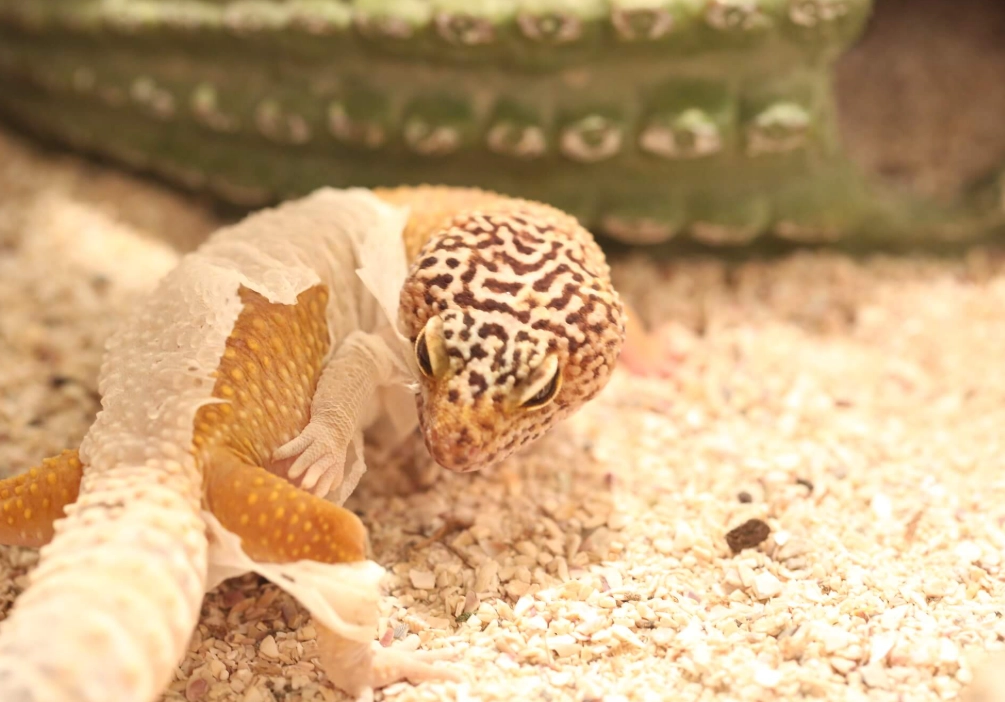
Reptile Shedding Problems: Why Your Gecko or Snake Stuck Shed
Struggling with a reptile shedding problems? Learn why your gecko or snake leaves stuck shed, the exact humidity and vitamin fixes I use, and when dysecdysis needs a vet visit.
Reptile Calcium Supplements: Fix MBD Before It Starts
Is your reptile getting the right calcium, or just any powder? Learn how to pick reptile calcium supplements, avoid metabolic bone disease, and dose correctly for beardies, geckos, and tortoises.

Best Substrate for Reptiles: Avoid Dangerous Mistakes
What is the best substrate for reptiles that won't cause impaction or mold? I tested 12 options in my own collection. Here's what actually holds humidity, stays clean, and keeps your animal safe.
Comments