Signs of Sick Reptile: 12 Warning Signs Owners Miss
- Date
- Reads
- 3 x
I still remember the day my bearded dragon, Spike, stopped chasing crickets. He just sat under his basking light, eyes half-closed, and I thought he was being lazy. Two weeks later, a vet confirmed early-stage metabolic bone disease. The signs of a sick reptile are rarely dramatic—they hide in small changes you’d normally dismiss. After a decade of keeping and rescuing reptiles, I’ve learned to read those whispers. Here’s the checklist I run through every morning.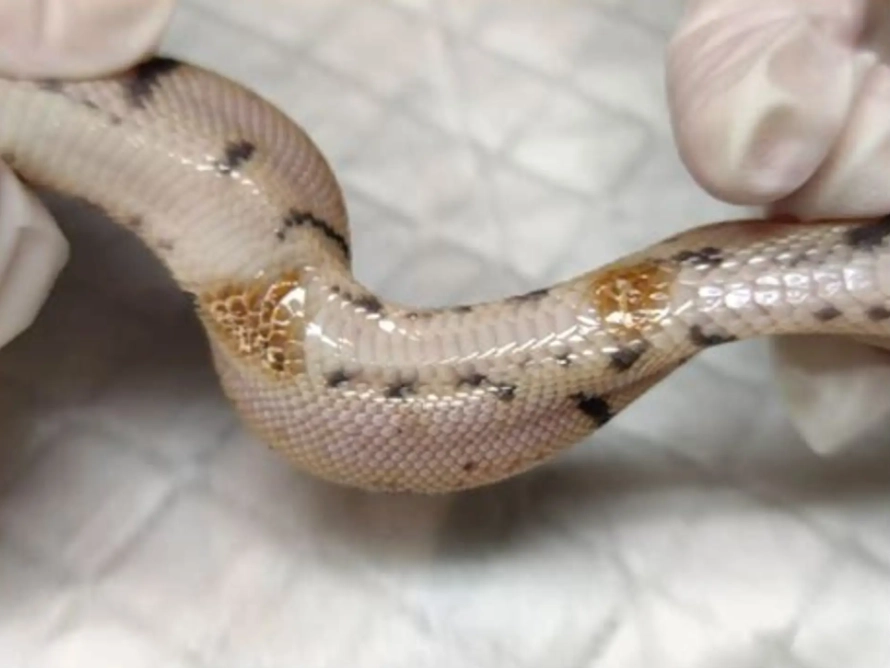
What I’d check first
Unexplained Weight Loss
A kitchen scale is my best friend. Weigh your reptile weekly—same day, same time before feeding. A drop of 5% or more over two weeks is a red flag for parasites, dehydration, or internal infection. I nearly lost a gecko because I trusted my eyes; she looked “fine” but the scale told a different story. Pick up a cheap digital kitchen scale (I use one with 1g increments).
Sudden Appetite Drop
Reptiles are built to conserve energy, so a skipped meal isn’t always alarming. But if your snake refuses two feedings in a row—or your turtle ignores greens for three days—pay attention. In my experience, many illness cases start with “he just stopped eating” and nothing else. Check temperature gradients first. If the warm side is below spec, digestion stalls. Still not eating after a temperature fix? That’s a vet trip.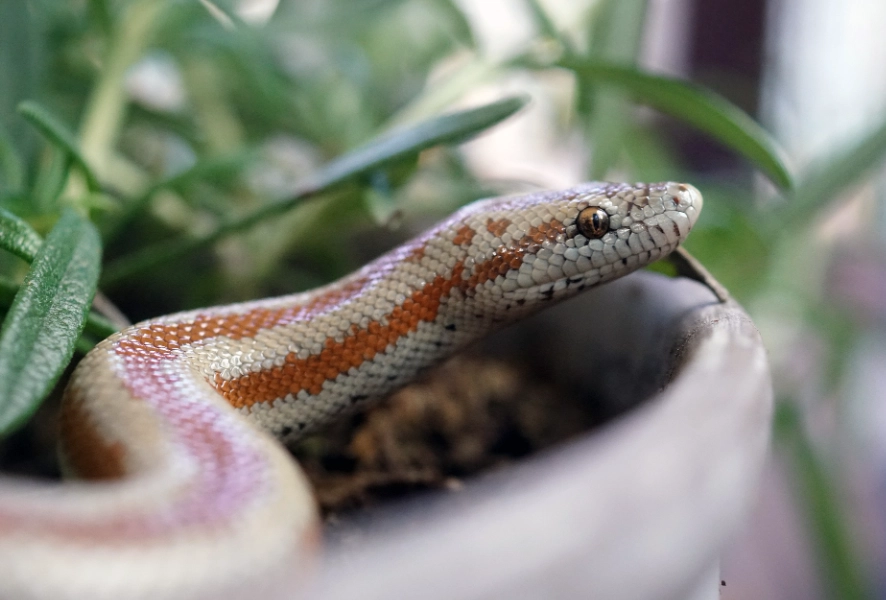
Basking Behavior Changes
A healthy reptile basks with intent—flattened body, relaxed head. When they stop basking or hide constantly, pain or weakness is likely. My rescue iguana would drape over his branch; when he stopped, a calcium crash was brewing. Conversely, a reptile that stays under the heat rock 24/7 might have a respiratory infection or parasites driving its need to overheat.
Skin & Shedding Issues
Stuck shed is more than an aesthetic issue. If you see flaky patches around toes, tail tips, or eyes that don’t come off after a shed cycle, humidity and hydration are off—or worse, a fungal infection. I once ignored a small crust on my ball python’s head; it turned out to be a scale infection that required antibiotics. Always check the eye caps and the very tip of the tail.
Eye or Nose Discharge
Clear, watery discharge can be normal for some species after a soak. It’s the whitish, crusty, or bubbling stuff you should worry about. Along with nasal discharge, you might catch your reptile sneezing (yes, they can) or rubbing its nose against the glass. That rubbing can also cause abrasions that get infected—a double whammy.
Abnormal Droppings
I take a photo of any weird poop. Urate (the white part) should be solid and white to cream. If it’s yellow or orange, that can signal dehydration or liver stress. Runny, greenish stools often point to parasites or bacterial overgrowth. A single strange dropping isn’t panic time—check the next two.
Lethargy & Weakness
How much time does your reptile spend moving? Not just basking, but actively exploring, climbing, or digging. Every species has its baseline. If your active skink suddenly becomes a couch potato, that’s a sign. Watch for reluctance to climb or an inability to flip itself right-side up when gently turned over. That’s a vet emergency.
Posture & Tremors
Twitching, head bobbing that isn’t a mating display, or shaky limbs often scream metabolic bone disease (MBD) or neurological issues. I’ve seen snakes lie with their head limp on the ground—that was a serious calcium deficit. Early tremors are subtle: just a slight quiver in the toes. Catch it early and a UVB upgrade plus liquid calcium can fix it.
How Can You Tell If a Reptile Is Dehydrated?
Pinch the skin between the shoulder blades. If it doesn’t snap back instantly, hydration is suspect. Sunken eyes, dry, wrinkled skin, and lack of urates in the last two droppings solidify the picture. Many keepers miss this because they only mist the tank—they forget to offer a water bowl wide enough for soaking. For chameleons, a dripper isn’t optional, it’s mandatory.
Open-Mouth Breathing
Basking with a slightly open mouth is normal for thermoregulation. But gaping while resting in a cool spot, or making popping sounds when breathing, indicates a respiratory infection. My monitor lizard once blew tiny bubbles from his nostrils—one vet visit later, we caught it before pneumonia set in. Don’t wait for the classic “alligator pose” where they hold their head up high to breathe.
Unusual Behaviors
This one’s vague, I know. But every reptile has quirks. Notice when those quirks change. A normally docile crested gecko that starts biting? That’s a pain response. A burrowing snake that stays above substrate all day? Something’s wrong. Trust the little voice that says, “He’s acting weird.”
The Sneaky Signs: What Vets Seldom Explain
We’re often told to look for obvious signs, but two things fly under the radar: gut motility and “phantom feeding.” Whenever I see a snake that strikes but drops the prey, or chews and spits it out, I suspect mouth rot or early oral infection. Another hidden sign is false basking—lying under the heat lamp but with the head turned away from the light, eyes clamped. That’s a pain posture. With my first python, I mistook it for normal basking; a mouth swab later showed stomatitis.
| Sign of Sick Reptile | Most Common Cause | Urgency (1=watch, 5=vet now) |
|---|---|---|
| Unexplained weight loss | Parasites, dehydration, bacterial infection | 4 |
| Appetite drop >2 feedings | Poor temperature gradient, impaction | 4 |
| Stuck shed on multiple cycles | Low humidity, fungal infection, dehydration | 2 |
| Open-mouth breathing at rest | Respiratory infection | 5 |
| Lethargy & inability to right itself | Metabolic bone disease, severe weakness | 5 |
| Yellow urates | Dehydration, liver disease | 3 |
What to Do When You Spot These Signs
Don’t rush to medicate. First, verify your husbandry. I keep a “hospital bin” ready—a simple plastic bin with paper towel substrate, a hide, and a water bowl. Move the reptile there and bump the heat slightly (2–3°F above normal warm side). Book a vet that sees exotics. Not all vets do. Search the Association of Reptilian and Amphibian Veterinarians (ARAV) directory. Many reptile illnesses are caused by a simple temperature or UVB mistake. Before you panic, check your thermostat, replace that old UVB bulb (they stop emitting useful UV after 6–12 months even if they still light up), and review your calcium schedule.
FAQs About Sick Reptile Symptoms
This article reflects my personal notes and observations after years of keeping reptiles. I cross-checked veterinary sources like the ARAV and the Merck Veterinary Manual. I’m not a vet, and any decisions about your animal’s health should be made with a qualified exotics veterinarian—ideally one who actually owns a reptile. The details above are meant to help you ask better questions, not diagnose. Fact-checked by me against real keeper logs.

Related
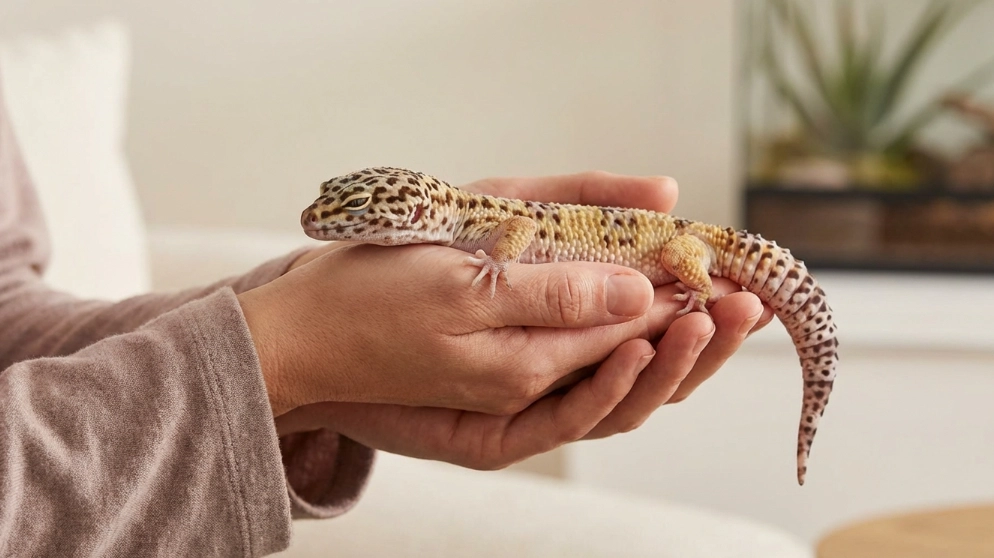
How to Handle a Reptile: 7 Rules That Prevent Bites
Wondering how to handle a reptile without triggering a strike or drop? A keeper of 12 years shares the 7 rules, a setup checklist, and the exact mistakes that cause tail loss.
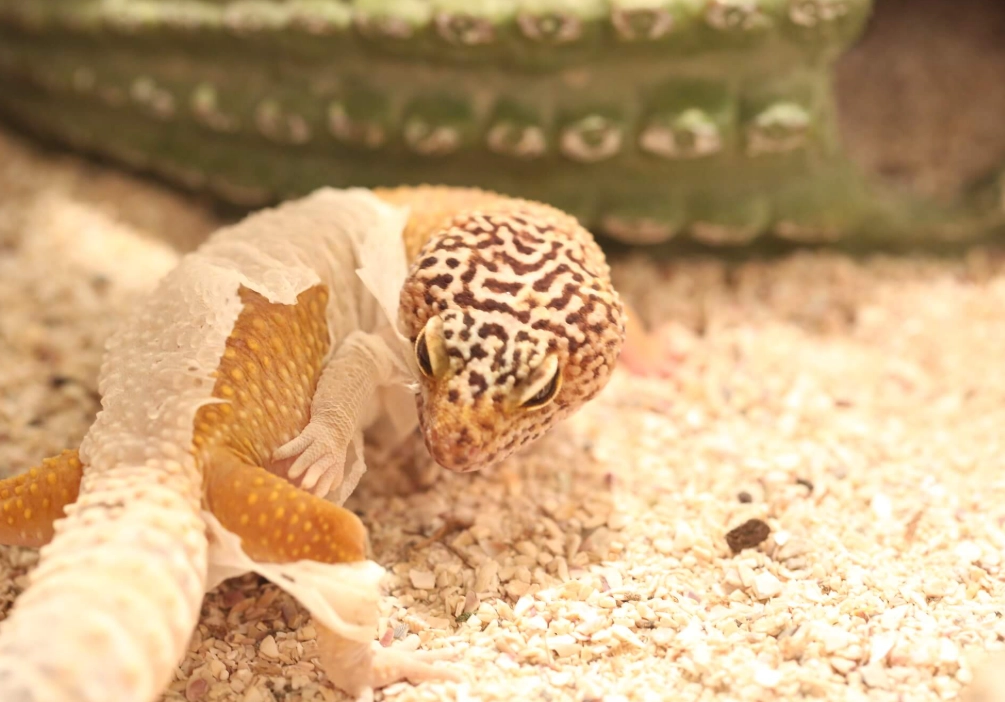
Reptile Shedding Problems: Why Your Gecko or Snake Stuck Shed
Struggling with a reptile shedding problems? Learn why your gecko or snake leaves stuck shed, the exact humidity and vitamin fixes I use, and when dysecdysis needs a vet visit.
Beginner Reptile Care: 7 Costly Mistakes New Owners Make
Struggling with your first reptile setup? Why do most beginner reptile care mistakes happen in week one? I share hands-on lessons from a decade of keeping snakes and geckos, including the $200 error I still regret.
Comments