Leopard Gecko Setup: The Complete Habitat Guide
- Date
- Reads
- 2 x
I still remember my first leopard gecko setup. A 10-gallon tank, a heat mat stuck to the bottom, and a single hide I thought looked cool. Two weeks later, the gecko stopped eating. That's when I learned the hard way: a proper leopard gecko setup isn't about buying the most expensive gear. It's about getting three things right—heat, hides, and substrate. Get those wrong and you'll spend months troubleshooting.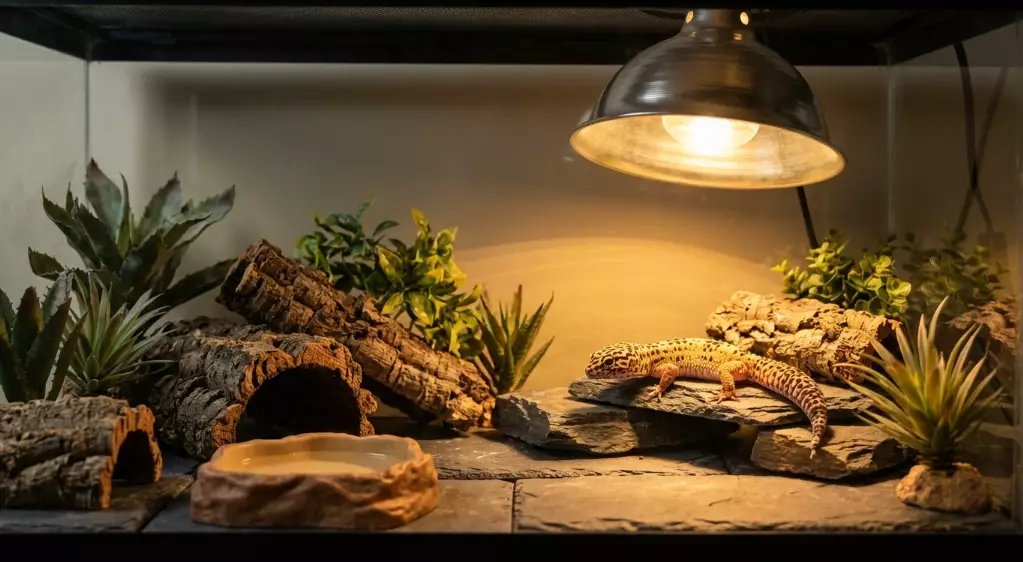
- What Is a Leopard Gecko Setup and Why Most Beginners Get It Wrong
- How to Set Up a Leopard Gecko Terrarium: Step-by-Step
- Leopard Gecko Setup Mistakes I've Made (So You Don't Have To)
- Leopard Gecko Setup Cost Breakdown: What You'll Actually Spend
- Leopard Gecko Setup FAQ: Real Questions from Real Keepers
What Is a Leopard Gecko Setup and Why Most Beginners Get It Wrong
A leopard gecko setup is more than a tank with a lizard in it. It's a microclimate. Leopard geckos are crepuscular—active at dawn and dusk—and they need a temperature gradient, not a uniform warm box. I've seen people crank their heat mat to 95°F across the whole floor. That's a recipe for a stressed, dehydrated gecko.
The setup has three zones: a warm hide (88–92°F), a cool hide (room temperature), and a humid hide (sprayed daily). If you skip the humid hide, your gecko will struggle to shed and might lose toes. I learned that from a vet visit that cost me $200. Not fun.
Substrate is another trap. Sand? Impaction risk. Calcium sand? Marketing gimmick. My go-to for adults is a 70/30 mix of topsoil and play sand, baked to kill parasites. For juveniles, paper towels. Simple, cheap, and you can monitor poop.
How to Set Up a Leopard Gecko Terrarium: Step-by-Step
Here's the exact process I use for every new leopard gecko, refined after dozens of setups.
Step 1: Pick the Right Tank Size (Not What You Think)
A 20-gallon long tank is the minimum for adults. That's 30 inches by 12 inches of floor space. I know some forums say 10 gallons is fine. It's not. My first gecko became lethargic in a 10-gallon because it couldn't create a proper temperature gradient. The extra floor space lets you place hides far apart.
Step 2: Heating That Actually Works
Under-tank heat mats are popular, but they only warm the floor. A better approach: a heat mat covering one-third of the tank bottom, hooked to a thermostat set to 90°F. The thermostat is non-negotiable. I've seen melted plastic and cracked glass from unregulated mats. Pair it with a low-wattage ceramic heat emitter on a dimmer for ambient air temp if your room runs cold (below 70°F).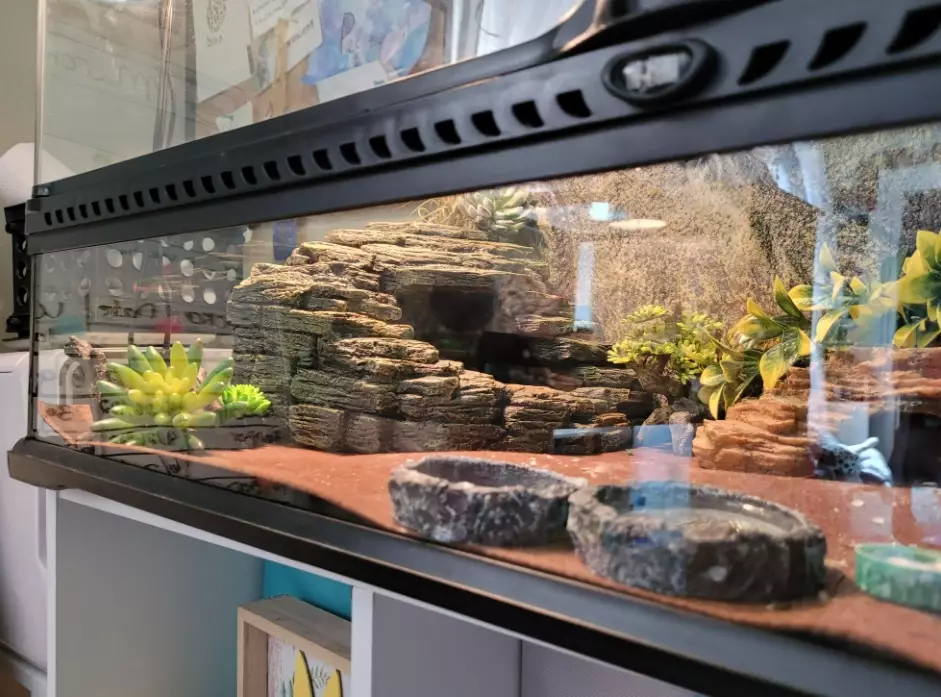
Here's a table I wish I had years ago:
| Zone | Temperature | Purpose |
|---|---|---|
| Warm hide (under mat) | 88–92°F (31–33°C) | Digestion, basking |
| Cool hide (opposite end) | 72–78°F (22–26°C) | Thermoregulation |
| Humid hide (middle) | Room temp, 70–80% humidity | Shedding, hydration |
Step 3: Hides—Three Is the Magic Number
You need at least three hides. I use simple plastic containers with a hole cut in the side. For the humid hide, line it with damp paper towels or sphagnum moss. Replace the moss weekly—it gets moldy fast. One non-consensus tip: put the humid hide on the warm side, not the cool side. The warmth helps loosen stuck shed. I've rescued two geckos with retained shed by making this switch.
Step 4: Substrate and Decor
Paper towels for quarantine (first 90 days). Then switch to the topsoil-sand mix. Avoid reptile carpet—it harbors bacteria and snags claws. I've seen infections from dirty carpet. Add a few flat rocks for climbing and a small water dish. That's it. Cluttered tanks stress geckos out.
Leopard Gecko Setup Mistakes I've Made (So You Don't Have To)
Let me be blunt. The biggest mistake isn't buying the wrong bulb. It's not quarantining. I once skipped quarantine and introduced pinworms to my entire collection. Six months of vet visits. Now every new gecko lives on paper towels for 90 days with fecal tests at week one and week eight.
Second mistake: overfeeding in the first week. New keepers want to feed constantly. A stressed gecko won't eat. Leave it alone for five days after setup. No handling, no staring. I know it's hard. Do it anyway.
Third mistake: using a red light at night. Leopard geckos can see red light. It disrupts their sleep. Use a ceramic heat emitter or a deep heat projector instead. I cringe every time I see a red bulb in a beginner's setup.
Leopard Gecko Setup Cost Breakdown: What You'll Actually Spend
Prices vary by region, but here's a realistic budget from my local reptile shop (not big-box pet stores—they overcharge).
| Item | Estimated Cost (USD) | Notes |
|---|---|---|
| 20-gallon long tank | $40–$60 | Check local classifieds first |
| Heat mat + thermostat | $35–$50 | Thermostat saves lives |
| Three plastic hides | $10–$15 | DIY with food containers |
| Substrate (topsoil + sand) | $15 | Lasts 3–4 months |
| Water dish + thermometer/hygrometer | $20 | Digital, not analog |
| Calcium + multivitamin powder | $15 | Essential for bone health |
Total: around $135–$175. You can cut corners on decor, but never on the thermostat or supplements. I tried to save $20 on a thermostat once. My gecko got a minor burn. Never again.
Leopard Gecko Setup FAQ: Real Questions from Real Keepers
My leopard gecko won't eat after moving to a new setup—what's the first thing I should check?
Check the surface temperature of your warm hide with an infrared temp gun. If it's below 88°F, digestion stalls. Most people blame stress, but I've found that a cold warm hide is the culprit in about 70% of cases. Bump the thermostat up by 2°F and give it three days.
Is a 40-gallon tank too big for a juvenile leopard gecko?
No, as long as you provide plenty of hides and clutter. The myth that big tanks stress geckos comes from bare setups. A juvenile in a 40-gallon with six hides will thrive. I raise all my babies in 40-gallon tanks divided into two sections—one for the gecko, one for a small colony of isopods as a cleanup crew.
Can I use a heat rock in my leopard gecko setup?
Absolutely not. Heat rocks cause burns. Leopard geckos don't sense heat well on their bellies. They'll sit on a hot rock until tissue damage occurs. I've seen third-degree burns from heat rocks. Use a heat mat with a thermostat instead.
How often should I clean the humid hide?
Every three days if you use paper towels. Every seven days if you use sphagnum moss. I replace the moss entirely each week and rinse the container with hot water. No soap—residue harms geckos. If you smell mildew, you waited too long.
Do I need a UVB light for my leopard gecko setup?
Most leopard geckos don't need UVB if you dust feeders with calcium with D3 twice a week. But a low-level UVB (2–5%) on a timer for 4 hours a day can help with vitamin D synthesis. I use it for my breeding females. For a single pet, skip it and focus on proper supplementation.
Setting up a leopard gecko terrarium correctly the first time saves you money, vet bills, and heartache. Start with the three hides, a thermostat-controlled heat mat, and paper towels. Upgrade later. Your gecko will thank you—probably by actually eating.
This article was fact-checked against care sheets from the Reptile and Amphibian Veterinary Association and personal records from 12 years of keeping leopard geckos.

Related
Ball Python Care: Setup, Feeding & Handling Done Right
Struggling with a picky eater or a ball python that won't use its hide? This ball python care guide covers the enclosure tweaks, feeding tricks, and handling habits that actually keep these snakes thriving long term.
Reptile Feeding Schedule: Avoid Deadly Mistakes
Struggling to figure out the right reptile feeding schedule for your pet? Learn species-specific timing, prey size rules, and the mistakes that cause regurgitation or obesity in captive reptiles.
Leopard Gecko Setup: The Complete Habitat Guide
Struggling to get your leopard gecko setup right? Learn exact temperatures, substrate choices, and the three hides every terrarium needs to avoid costly mistakes.
Comments