Reptile Shedding Problems: Why Your Gecko or Snake Stuck Shed
- Date
- Reads
- 11 x
What I'll Cover, Fast
Most reptile shedding problems come down to one thing: the old skin outpaces the new skin's ability to release it. I kept a leopard gecko named Pixel that left a ring of dry skin around every toe for three consecutive sheds. That wasn't a humidity issue alone. It was a vitamin A shortfall plus a warm hide that read 78°F when it needed 92°F. Fix one and the other lingers. Fix both and the next shed comes off in one piece like a wet sock.
I've rehabbed rescues from three states, and stuck shed is the most common reason keepers message me at midnight. Here's what actually works, not the copy-paste advice that floats around forum threads.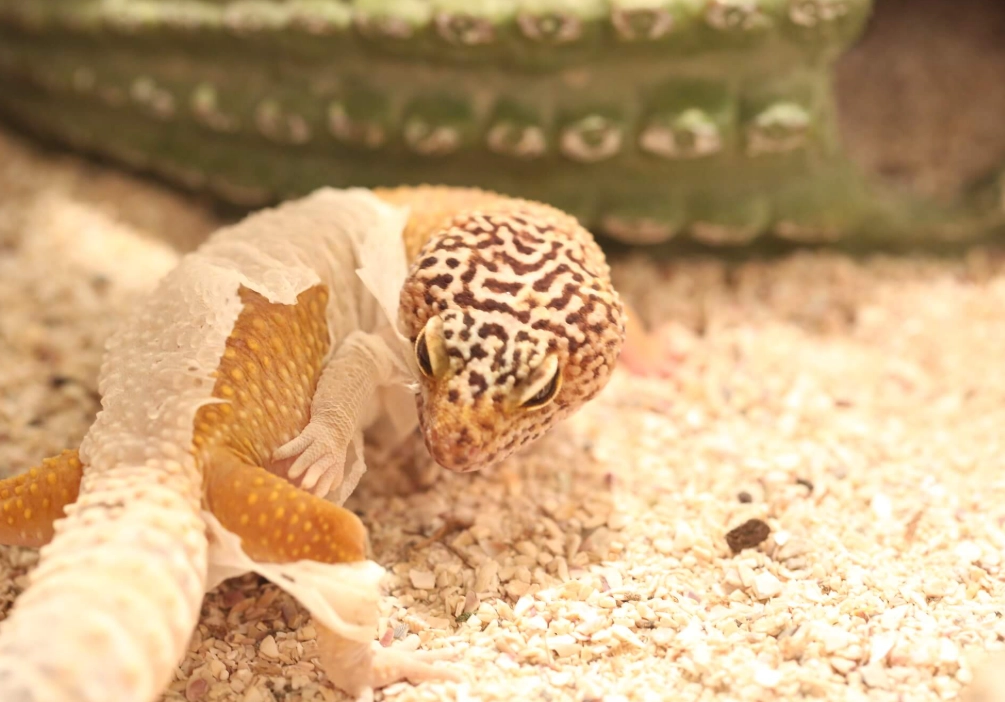
What Is Dysecdysis and Why It Matters
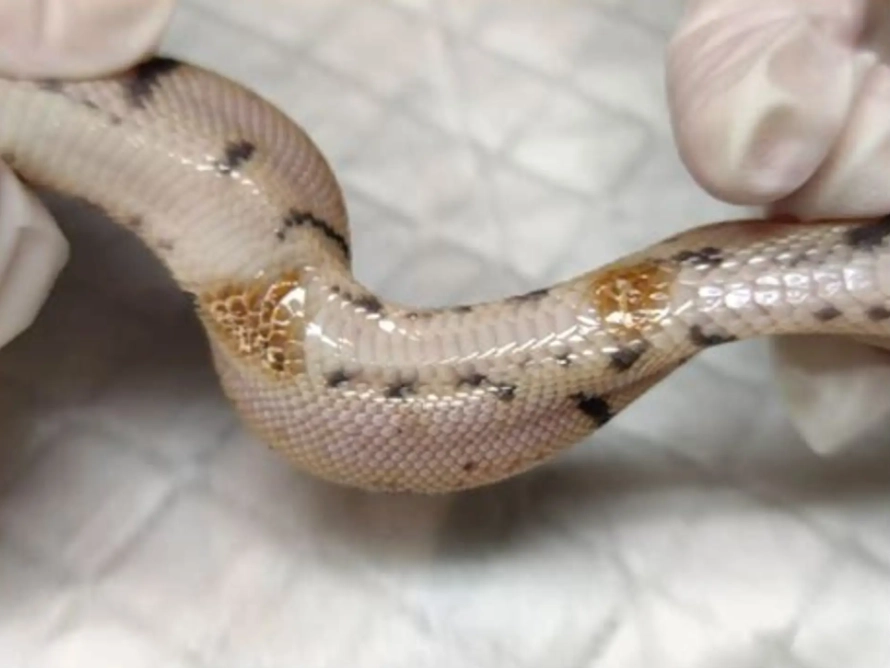
Dysecdysis is the clinical term for abnormal shedding. In plain terms, it's when skin doesn't come off cleanly and leaves patches on the tail, toes, eye caps, or belly. The real danger isn't cosmetic. Retained toe shed constricts blood flow and can cost a gecko a toe within two or three shed cycles. Retained eye caps on snakes cause corneal damage. I watched a ball python come in with both eye caps fused after back-to-back bad sheds, and the vet bill hit $340 for removal and antibiotics.
Healthy reptiles shed in one continuous piece. Snakes usually roll it off like a tube sock inside out. Geckos and bearded dragons shred theirs into strips. If you're picking flakes off day after day, that's dysecdysis, and it's a husbandry red flag.
Top Causes of Stuck Shed I See Most
I keep a mental list when someone brings me a problem shed. Nine times out of ten it's one of these four.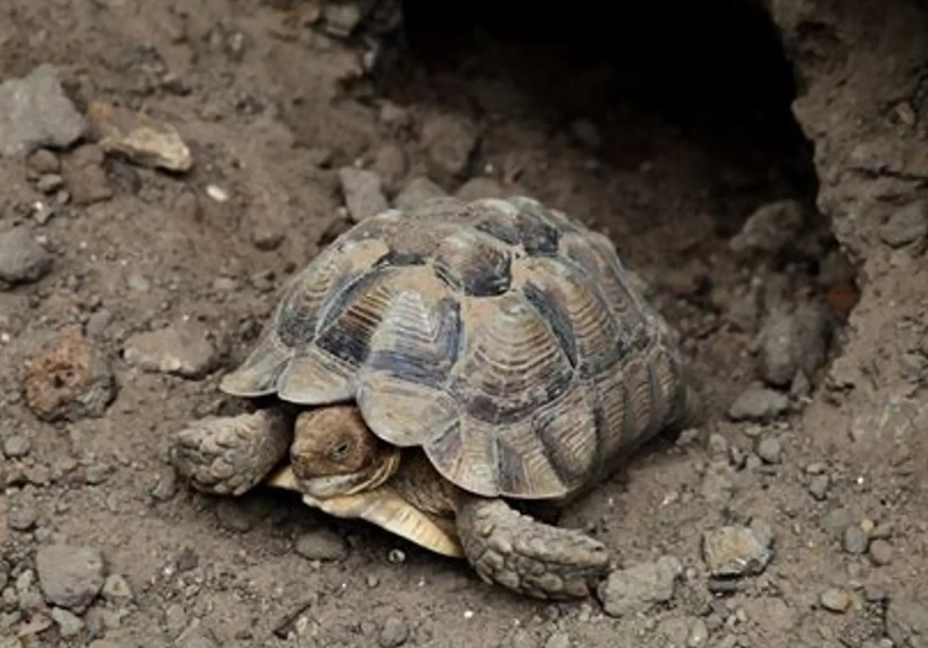
| Cause | Species Most Affected | What I Check First |
|---|---|---|
| Low humidity | Ball pythons, leopard geckos | Humidity hide reading below 60% (gecko) or 70% (python) |
| Vitamin A deficiency | Bearded dragons, chameleons | Dusting schedule and multivitamin brand |
| Dehydration | All species | Water bowl placement and soak history |
| Old stuck shed trapping moisture | Tortoises, snakes | Skin rings around tail base and toes |
One case stands out. A keeper brought me a crested gecko with skin webs between every toe. His cage was misted twice a day, which sounded fine on paper. The problem: a screen lid and a 40-watt heat lamp dried the air within an hour of each mist. His hygrometer read 82% right after spraying and 41% by evening. That swing is brutal on shed. Steady beats spiky every time.
I don't trust analog hygrometers anymore. A $6 digital probe placed 2 inches from the substrate gave me readings 15% lower than the dial stick-on gauge. That gap is exactly the kind of thing that causes reptile shedding problems you can't explain.
How to Fix Stuck Shed at Home
The soak protocol I actually use
Fill a shallow tub with lukewarm water, roughly 85°F to 88°F. Not hot. I use a kitchen thermometer, not my wrist. Drop in a folded paper towel so the animal has grip and doesn't panic. Soak for 20 to 30 minutes. No longer. A keeper I know left her snake in for two hours and ended up with a stressed animal and a respiratory infection from chilled water.
After the soak, let the reptile crawl through a damp towel. The friction does more than tweezers ever will. For toes, I use a soft-bristle baby toothbrush with gentle strokes. Pressure is the enemy here. You're loosening, not scraping.
What not to do
Don't pull. Ever. I made that mistake with Pixel and tore a scale off her toe. It bled, healed ugly, and she limped for two weeks. Also skip mineral oil baths and petroleum jelly. Some old care sheets swear by them, but they can clog pores and smother the skin underneath.
If the shed is around the tail tip and looks dried and crusty, run a cotton swab along the edge with warm water. Work slowly. If it doesn't lift in a few passes, stop and re-soak tomorrow. Two short sessions beat one aggressive one.
Humidity and Vitamin Mistakes That Wreck Sheds
This is where I see more frustration than anywhere else. Keepers fix humidity, the shed improves for one cycle, then falls apart again. The silent culprit: vitamin A. Fat-soluble vitamins store in the liver, so a deficiency builds slowly. Bearded dragons on a pure calcium dusting schedule for eight months often show it around month ten with patchy shed and puffy eyelids.
- Dusting: Use a multivitamin containing preformed vitamin A once weekly for juveniles and every two weeks for adults. I rotate Rep-Cal Herptivite with calcium without D3 on other days.
- Hydration: Offer a shallow water dish large enough to soak in. Mist gecko enclosures in the evening, not morning, so moisture lingers overnight when the animal is active.
- Humidity hide: Sphagnum moss dampened but not dripping. Refresh every four days. Mildew sneaks in fast if you let it sit.
A study published through the Journal of Herpetological Medicine and Surgery noted that nutritional secondary hyperparathyroidism and hypovitaminosis A often present together in captive lizards, which matches what I see: keepers fix calcium but forget the A.
Real Questions From Keepers
I've learned more from bad sheds than good ones. A clean shed means your setup is dialed in. A messy shed is your reptile telling you exactly which dial is off. Read the message, fix it once, and stop picking at flakes.

Related
Reptile Feeding Schedule: Avoid Deadly Mistakes
Struggling to figure out the right reptile feeding schedule for your pet? Learn species-specific timing, prey size rules, and the mistakes that cause regurgitation or obesity in captive reptiles.
Bearded Dragon Care: 7 Deadly Mistakes New Owners Make
What if your bearded dragon's setup is quietly making it sick? From UVB placement to salad timing, I share the 7 mistakes I see most often after 10 years of keeping beardies—and exactly how to fix them.
Signs of Sick Reptile: 12 Warning Signs Owners Miss
What are the early signs of a sick reptile that most owners overlook? From subtle weight loss to odd basking habits, here are 12 warning signs a seasoned keeper checks daily.
Comments