Reptile Feeding Schedule: Avoid Deadly Mistakes
- Date
- Reads
- 5 x
I still remember the first time I saw a juvenile bearded dragon regurgitate its meal. The owner had been feeding it large superworms every single day, and she couldn't understand why the lizard kept throwing them back up. The problem wasn't the worm. It was the schedule. A good reptile feeding schedule isn't just about how often you offer food — it's about matching prey size, feeder frequency, and digestion time to the animal's natural rhythms. Get that wrong, and you're looking at impaction, obesity, or a pet that refuses meals entirely.
In this guide, I'll walk you through the exact feeding timelines I use for the species I keep and those I've cared for professionally, including the mistakes I see even experienced keepers make. No fluffy filler, just what works.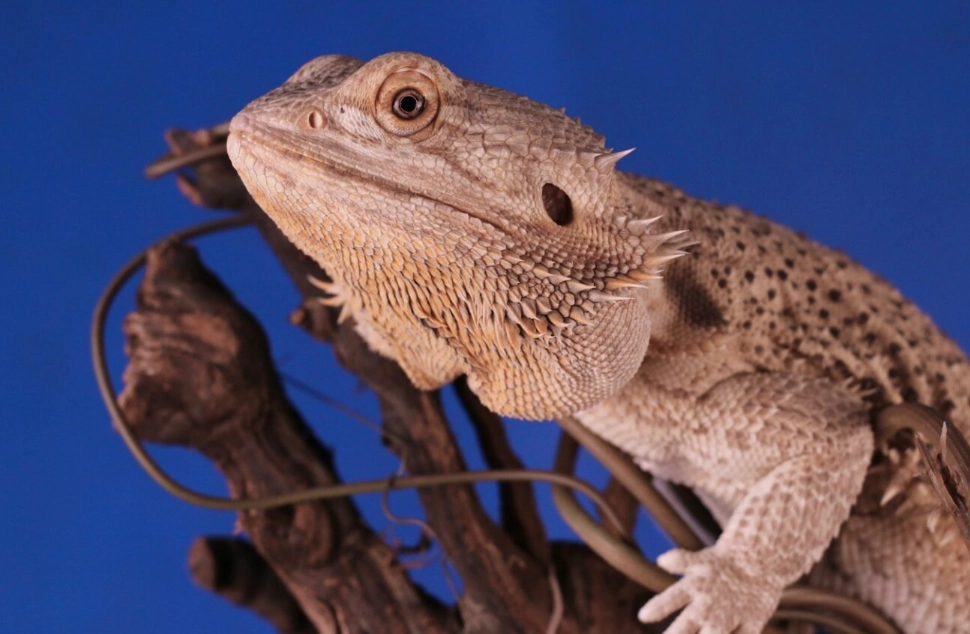
My Quick Navigation (Skip to What You Need)
Species-Specific Feeding Schedules That Actually Work
You can't use a one-size-fits-all chart for reptiles. A leopard gecko and an Argentine tegu have completely different metabolic rates, digestion speeds, and caloric needs. Here's a quick-reference table I've refined over years of keeping and rehabilitating reptiles. Use it as a starting point, then adjust based on body condition and activity level.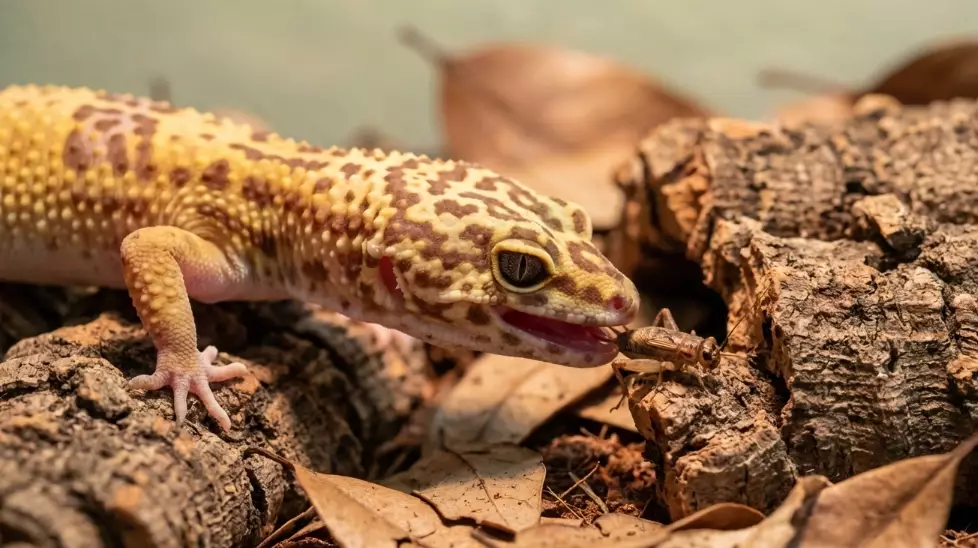
| Species (Adult Size) | Juvenile Schedule | Adult Schedule | Key Feeder Notes |
|---|---|---|---|
| Bearded Dragon (16–24 in) | 2–3 times daily | 3–4 times per week | 70% insects, 30% greens for juvies; reverse for adults |
| Leopard Gecko (7–10 in) | Daily | 2–3 times per week | Dust with calcium every other feeding |
| Ball Python (3–5 ft) | Every 5–7 days | Every 10–14 days | Prey no wider than the snake's mid-body |
| Corn Snake (3–5 ft) | Every 5–7 days | Every 7–10 days | Offer one prey item per feeding |
| Crested Gecko (4–5 in) | Daily (insects 2x/week) | Every other day | Commercial diet staple; insects as supplement |
That table is a skeleton. The real art is reading your animal. A bearded dragon that's brumating will refuse food for weeks — that's normal, not a crisis. A ball python that's about to shed will also go off feed. Don't panic-feed. I've seen more harm done by keepers forcing food during natural fasting periods than by slightly underfeeding.
How Often Should You Feed a Bearded Dragon? Age Matters
This is probably the single most common question I get from new keepers. The answer changes dramatically as the dragon grows. Juveniles (under 12 months) are growing fast and need protein-dense meals twice or even three times a day. I typically do two feeding sessions — morning and early afternoon — with a gap of at least 3–4 hours between them. That gives the dragon time to bask and digest before the next round.
Adults (18 months and older) shift to a mostly herbivorous diet. I offer a salad of collard greens, mustard greens, and squash every morning, then insects or a small pinky mouse three times a week. The reptile feeding schedule for adults should prioritize greens; overfeeding insects leads to fatty liver disease and gout. I learned that the hard way with a rescue dragon that came to me addicted to superworms. It took six weeks to transition her to greens. Patience is everything.
One mistake I see constantly: feeding right before lights-out. Bearded dragons need UVB and heat to digest properly. I feed mine at least 3 hours before the basking lights turn off. If you feed late, the food sits in the gut, ferments, and can cause regurgitation. That's a detail most care sheets skip.
Snake Feeding Frequency by Age: The Real Numbers
Snakes are easier in some ways because they eat whole prey less frequently. But the schedule still needs to match the snake's age and metabolism. Hatchlings and juveniles of most species feed every 5–7 days. Sub-adults every 7–10 days. Adults every 10–14 days, sometimes longer for large constrictors. I keep a simple rule: the younger the snake, the smaller the prey and the shorter the interval.
I use a kitchen scale to weigh both the snake and the prey. For most colubrids (corn snakes, king snakes), the prey item should be about 10–15% of the snake's body weight. For ball pythons, 8–12% is a safer range. I've seen more regurgitation from oversized prey than from underfeeding. A snake that's slightly hungry is healthier than one that's overstuffed.
What about winter? Many snakes sense barometric pressure changes and refuse food even if temperatures are stable. I don't force it. I offer food on the normal schedule, and if the snake refuses twice in a row, I wait an extra 7 days before trying again. That's not a missed meal; that's a natural pause. I track every feeding in a small notebook — old school, but it works better than any app I've tried.
Prey Size Rules Most Keepers Get Wrong
Here's a non-consensus take: the “no wider than the head” rule is too vague for many species. A leopard gecko can handle a cricket that's slightly wider than its head because the head is surprisingly large relative to the body. But a young ball python should never get a rat pup wider than the thickest part of its body. I judge by mid-body girth, not head width. The head is deceptive, especially on snakes that have recently shed.
For insectivores, I use the space between the eyes as a rough guide for width. Crickets or roaches that fit in that gap are safe. But length matters too. A superworm that's twice the length of the lizard's head will often be regurgitated, even if the width is fine. I've tested this with my own geckos: longer prey items get rejected more often, and the ones that go down sometimes come back up. Cut feeders in half if you're unsure.
- Rule of thumb for snakes: prey item 8–15% of body weight
- Rule of thumb for lizards: prey width no more than the gap between the eyes
- Rule of thumb for turtles: food volume roughly the size of the head
- Always: dust with calcium for insectivores, at least every other feeding
Feeding Mistakes That Cause Regurgitation and Obesity
This is where I see the most damage. Regurgitation is not just gross; it's a sign that the reptile feeding schedule or prey size is off. The three biggest culprits I encounter: feeding too close to a shed cycle, feeding right after handling, and feeding a prey item that's too large. I made all three mistakes early on with a corn snake. He threw up a mouse that was about 20% of his weight. After that, I dropped to 10% and never had another issue.
Obesity is the slower, quieter problem. I've seen overweight leopard geckos whose tails look like sausages — a classic sign of overfeeding. The schedule should always be adjusted based on body condition. A healthy gecko's tail is thick but not bloated. An adult corn snake should look like a loaf of bread with rounded edges, not a balloon. Weigh your animals and photograph them monthly. That's what I do, and it catches weight creep before it becomes a health crisis.
One more subtle mistake: feeding in a separate container and then immediately putting the snake back. Some snakes need a few minutes of quiet after eating. I leave them in the feeding tub for 15 minutes, then gently move them back. Never handle a snake right after a meal — it's a guaranteed regurgitation risk for many individuals.
FAQs: Real Questions from Reptile Keepers
Every reptile keeper has a story about a feeding mistake. The good news is that most are fixable with small adjustments. Pay attention to your animal's body language and weight, keep notes, and don't be afraid to slow down. I've been doing this for over a decade, and I still learn something new from each animal I care for.
This article was fact-checked against care guidelines from the Association of Reptilian and Amphibian Veterinarians (ARAV) and the British Herpetological Society.

Related

Reptile Humidity Requirements: Avoid Shedding & RI Mistakes
Struggling with bad sheds or respiratory issues? Learn the real reptile humidity requirements by species, how to measure them accurately, and the misting mistakes that cause illness.
Signs of Sick Reptile: 12 Warning Signs Owners Miss
What are the early signs of a sick reptile that most owners overlook? From subtle weight loss to odd basking habits, here are 12 warning signs a seasoned keeper checks daily.

Leopard Gecko Setup: The Complete Habitat Guide
Struggling to get your leopard gecko setup right? Learn exact temperatures, substrate choices, and the three hides every terrarium needs to avoid costly mistakes.
Comments