Bioactive Terrarium Setup: CUC, Soil & Mistake Fixes
- Date
- Reads
- 15 x
Let me guess. You watched a few videos, bought some springtails and isopods, and now you're dealing with mold, dead plants, and a cleanup crew that vanished. I've been there. My first bioactive terrarium setup crashed in three weeks. The second one lasted two months. The third one? It's been running for four years.
What's Inside (Skip to the Part You Need)
I'm not going to pretend this is complicated. It's not. But the internet has a way of overcomplicating things while ignoring the details that actually matter. Let me walk you through what I've learned, including the parts where I messed up so you don't have to.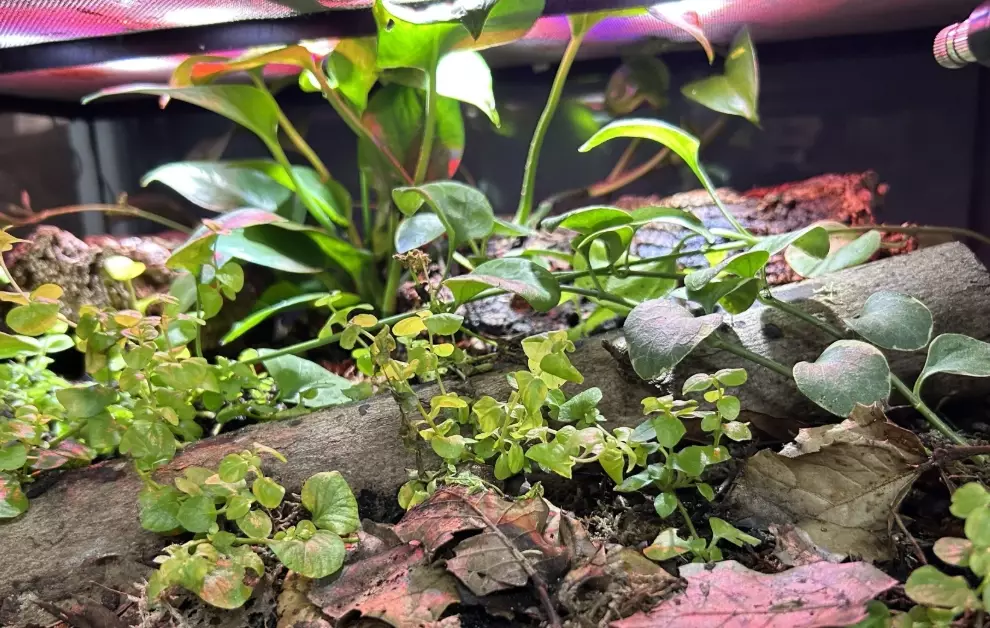
Soil Layer: The Foundation That Ruins Most Builds
Most guides tell you to use a drainage layer, then a barrier, then soil. That's fine. But they skip the specifics. I've seen people use gravel that was too fine, so it compacted and stopped draining. I've seen barriers that dissolved after two months. And I've seen soil mixes that turned into a swamp.
Here's my mix. It's not fancy, but it works.
| Layer | Material | Depth | Notes from My Experience |
|---|---|---|---|
| Drainage | LECA clay balls (8-12mm) | 2 inches | Rinse them first. Dust clogs the barrier. |
| Barrier | Fiberglass window screen | 1 layer | Don't use landscape fabric. Roots grow through it. |
| Substrate | 60% organic topsoil, 30% coconut coir, 10% sand | 4-6 inches | Topsoil must be fertilizer-free. Check the bag. |
| Leaf litter | Magnolia or oak leaves | 1-2 inches | Bake them at 200°F for 30 minutes to kill pests. |
I used to skip the leaf litter. Big mistake. The cleanup crew needs it for food and hiding. Without it, they starve or wander into the open and get eaten.
Another thing: don't mix the leaf litter into the soil. Layer it on top. That's how it works in nature, and that's how the cleanup crew expects it.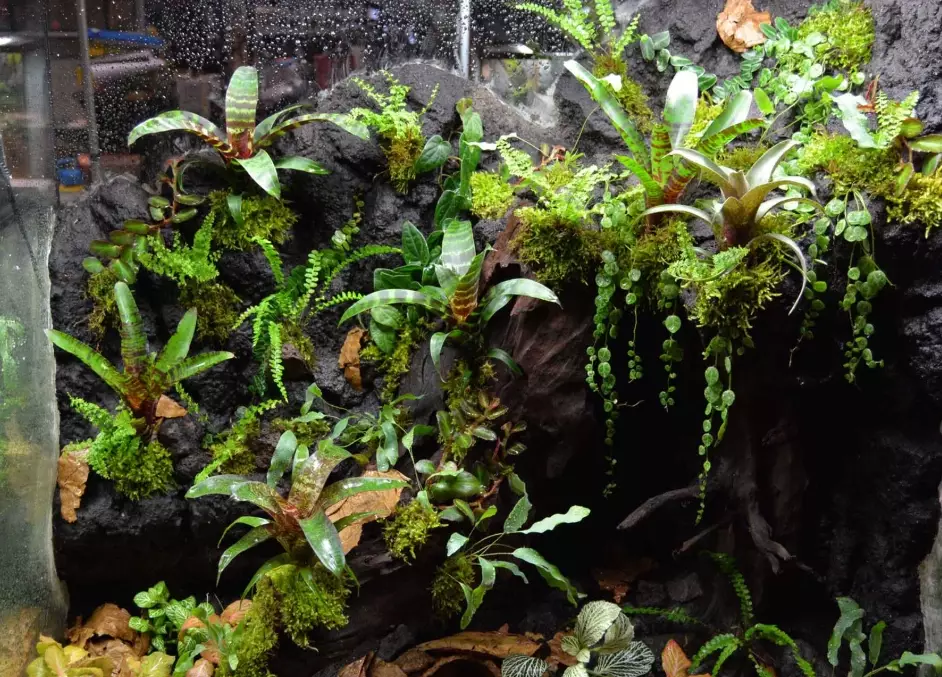
Non-consensus tip: Many people use charcoal in the drainage layer. I stopped. It doesn't do much in a terrarium and it makes the drainage layer less effective. Skip it.
Cleanup Crew Ratios: Why More Isn't Better
Springtails and isopods are the workhorses. But you don't need a thousand of them. In fact, overstocking is a common mistake. I did it. The result? They ate the plants.
Here's a simple ratio that works for a standard 24x18x18 inch enclosure:
- Springtails: Start with a culture of about 50-100. They multiply fast.
- Isopods: 10-15 dwarf species (like Trichorhina tomentosa). They breed slowly, which is good.
- Wait two weeks before adding more. Let the microfauna establish.
If you see mold, don't add more springtails. Fix the ventilation. Mold means the environment is too wet and stagnant. Adding more springtails is like putting a band-aid on a broken pipe.
I learned that the hard way. I dumped in 500 springtails and they all died within a week because the soil was anaerobic. The mold didn't go away. It got worse.
Ventilation vs Humidity: The Balance Nobody Explains
Bioactive terrariums need airflow. But too much airflow dries out the soil and kills the cleanup crew. Too little and you get mold and bacteria.
My rule: have ventilation at the top and bottom on opposite sides. That creates a chimney effect. For a glass tank, I use a screen top with a small fan on low setting, pointed away from the tank. It's not direct airflow. It just moves air around the room.
I also mist less than most people think. Once every two days for tropical setups. Once a week for arid ones. The soil should be damp, not soaked. If you squeeze a handful and water drips out, it's too wet.
Here's a trick I use: stick a wooden chopstick into the soil. Pull it out after a minute. If it's dark and wet, wait. If it's slightly damp, mist lightly. If it's dry, water.
Plant Choices That Survive a Bioactive Setup
Not all plants work. I've killed my fair share of ferns and mosses. The ones that thrive are tough, low-light, and don't mind occasional root disturbance from isopods.
- Pothos – Almost indestructible. Roots well in the soil.
- Snake plant – Good for arid setups. Don't overwater.
- Fittonia – Likes humidity. Can be dramatic if it dries out, but comes back.
- Cryptanthus – Slow grower, tolerates low light.
Skip moss. It looks nice, but it holds too much moisture and often turns brown. I've tried three types. All failed.
Common Mistakes (I Made All of Them)
Let me save you some time and money.
- Using fertilizer. It kills cleanup crews. Don't use potting soil with fertilizer. Check the label for "no fertilizer" or "organic."
- Overwatering. The soil should be moist, not wet. If you see water pooling, you've gone too far.
- Adding too many isopods. They'll eat your plants. Start small.
- Ignoring ventilation. Mold is a sign of poor airflow, not a sign you need more springtails.
- Using tap water. Chlorine kills beneficial microbes. Use distilled or rainwater.
I could go on, but these are the big ones.
FAQ: Real Questions from My Inbox
That's the core of it. Bioactive terrarium setup isn't about following a rigid recipe. It's about understanding the little ecosystem you're building and adjusting as you go. Stay observant, don't panic, and your tank will find its balance.
I still check my tanks every morning with a cup of coffee. It's the best part of my day. You'll get there too.
Related
Reptile Feeding Schedule: Avoid Deadly Mistakes
Struggling to figure out the right reptile feeding schedule for your pet? Learn species-specific timing, prey size rules, and the mistakes that cause regurgitation or obesity in captive reptiles.
How to Handle a Reptile: 7 Rules That Prevent Bites
Wondering how to handle a reptile without triggering a strike or drop? A keeper of 12 years shares the 7 rules, a setup checklist, and the exact mistakes that cause tail loss.
Best Substrate for Reptiles: Avoid Dangerous Mistakes
What is the best substrate for reptiles that won't cause impaction or mold? I tested 12 options in my own collection. Here's what actually holds humidity, stays clean, and keeps your animal safe.
Comments