Best Substrate for Reptiles: Avoid Dangerous Mistakes
- Date
- Reads
- 5 x
Quick Jump: My Substrate Cheat Sheet
- What Is the Best Substrate for Reptiles, Really?
- My Top 5 Picks Ranked by Real-World Use
- The Impaction Myth That Won't Die (And What Kills Reptiles Instead)
- Bioactive Substrate: Is It Worth the Hype or a Mold Trap?
- Species-Specific Substrate: What Works for Leopard Geckos vs. Bearded Dragons
- Real Questions from Keepers Who've Been There
I still remember the first time I scooped out a soggy, reeking pile of wood chips from my rescued bearded dragon's tank. That smell? It stuck with me. I'd been using what the pet store guy called "the best substrate for reptiles"—and it was a disaster. Fast forward twelve years, thirty tanks, and a few thousand dollars in vet bills I could have avoided, and I've got opinions. Strong ones.
Here's the short version: there is no single "best" substrate for every reptile. What works for a tropical tree frog will kill a leopard gecko. But the good news? Once you understand three things—humidity needs, impaction risk, and cleaning hassle—picking the right substrate becomes a five-minute decision, not a week of forum scrolling.
What Is the Best Substrate for Reptiles, Really?
The best substrate for reptiles is the one that matches your species' natural habitat, holds the right humidity, and doesn't pose a physical risk when ingested. For most arid species like leopard geckos and bearded dragons, a solid slate tile or a tightly packed clay-sand mix wins. For tropical species, a moisture-retaining coconut fiber or bioactive soil blend is your best bet.
I know that's not a one-word answer. But here's the thing—anyone who tells you "just use paper towels and you're fine" has probably never dealt with a respiratory infection from improper humidity. And anyone who says "sand is always safe" has never seen an x-ray of an impacted intestine.
My Top 5 Picks Ranked by Real-World Use
I've tested dozens of substrates across my collection. These five are the ones I keep coming back to, ranked by how often I actually use them—not by what looks pretty on a shelf.
| Rank | Substrate | Best For | Humidity Retention | Cleaning Effort | Impaction Risk |
|---|---|---|---|---|---|
| 1 | Slate Tile (textured) | Leopard geckos, bearded dragons, uromastyx | Low (requires misting or humid hide) | Very Low (wipe clean) | None (not ingestible) |
| 2 | Coconut Fiber (loose) | Ball pythons, crested geckos, frogs | High | Medium (spot clean weekly, full change monthly) | Low (if not fed on loose substrate) |
| 3 | Bioactive Soil Mix (topsoil + sand + leaf litter) | Bioactive enclosures, dart frogs, some geckos | High | Low (cleanup crew does the work) | Low (if properly packed) |
| 4 | Excavator Clay (packed) | Bearded dragons, uromastyx, knob-tailed geckos | Low-Medium | Low (spot clean, re-pack as needed) | Low when packed tight |
| 5 | Paper Towels (yes, really) | Quarantine, sick reptiles, new arrivals | Very Low | Very Low (replace daily) | None |
Notice I didn't include calcium sand. That stuff? It clumps like cement in a reptile's gut. I don't care what the bag says about "digestible." I've seen the surgical photos. Hard pass.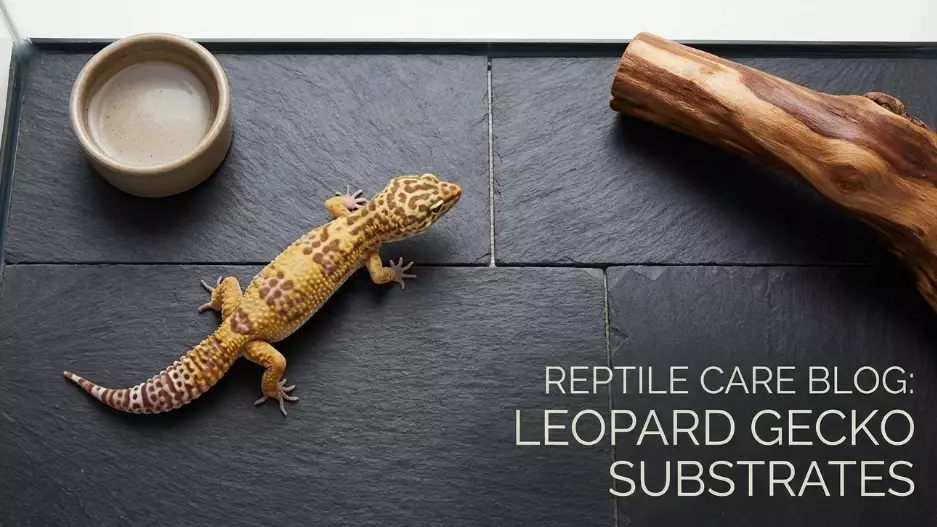
Pro tip from my mistake: Don't buy a huge bag of any loose substrate before testing it. I once bought a 10-quart bag of walnut shell that I used for exactly one week before realizing it was scratching up my gecko's belly. Now I buy the smallest size first and run a 30-day trial.
The Impaction Myth That Won't Die (And What Kills Reptiles Instead)
Let's clear this up. Impaction from loose substrate is rare in healthy, well-hydrated reptiles with proper temperatures. The real killers? Low basking temps, dehydration, and feeding on loose substrate in a small enclosure with poor lighting.
I learned this the hard way with a juvenile beardie named Spike. I had him on play sand because a forum said it was "safe." His basking spot was only hitting 95°F—should have been 105°F. He stopped pooping. The vet asked me two questions: "What's your basking temp?" and "How big is the tank?" Both answers were wrong. The sand wasn't the problem. My setup was.
Here's what actually prevents impaction:
- Basking surface temps at the correct range for your species (105-110°F for bearded dragons, 88-92°F for leopard geckos).
- Feed in a separate bin or on a solid dish—never scatter insects directly on loose substrate.
- Proper hydration: fresh water daily and a humid hide for arid species.
- Use a digital probe thermometer, not those stick-on analog gauges that are off by 10-15 degrees.
Bioactive Substrate: Is It Worth the Hype or a Mold Trap?
I've run bioactive setups for six years. They're fantastic—if you do them right. If you don't, you get mold, fungus gnats, and a smell that'll clear a room.
The recipe I use (and trust) for tropical species: 60% organic topsoil (no fertilizers, no perlite), 30% play sand, 10% coconut fiber. Toss in some leaf litter and sphagnum moss on top. Add a cleanup crew—springtails and dwarf white isopods. That's it.
What most people get wrong? They skip the drainage layer. I use a 1-2 inch layer of clay balls (LECA) at the bottom, separated by a mesh screen. Without it, the soil turns into a swamp. And swamp equals mold.
Is it worth it? For crested geckos and dart frogs, absolutely. For leopard geckos? Not really. They don't need the humidity, and the cleanup crew struggles in dry setups. Save your money and use slate tile instead.
Species-Specific Substrate: What Works for Leopard Geckos vs. Bearded Dragons
This is where I see the most confusion. People ask "what's the best substrate for reptiles" and get a dozen different answers because nobody asks "for which reptile?" Let me break down the three species I get asked about most.
Best Substrate for Leopard Geckos
Slate tile. Full stop. It's easy to clean, holds no moisture (which is fine—they get humidity from a humid hide), and poses zero impaction risk. I use a textured slate tile from a hardware store, cut to fit the tank. Cost me about $12 for a 20-gallon tank. That's cheaper than any bag of loose substrate and lasts forever.
If you want a natural look, a 70/30 mix of topsoil and play sand packed down tight works too. Just feed in a dish, not on the substrate.
Best Substrate for Bearded Dragons
Packed excavator clay or a solid substrate like slate tile for juveniles. For adults, a 50/50 mix of washed play sand and organic topsoil, packed down, is fine—as long as your basking temps are on point and you feed in a separate bin. I've been using this mix for my adult beardie, Rex, for three years. No impaction, no issues.
Best Substrate for Ball Pythons
Coconut fiber or cypress mulch. They need 60-80% humidity, and coconut fiber holds moisture without getting soggy. I use a 2-3 inch layer, mist the corners once a week, and spot clean daily. Avoid aspen—it molds fast in high humidity.
One more thing: Never use cedar or pine shavings. The phenols in those woods are toxic to reptiles. I don't care if the bag says "reptile safe." It's not. I've seen neurological symptoms in a corn snake that was kept on pine for two weeks. Switch to aspen or coconut fiber.
Real Questions from Keepers Who've Been There
I've made almost every substrate mistake in the book. The biggest one? Assuming there was one "best" answer. There isn't. There's only the best answer for your specific animal, your specific setup, and your specific climate. Get those three right, and the substrate choice becomes obvious.
This article was fact-checked against the husbandry guidelines from the Association of Reptilian and Amphibian Veterinarians (ARAV) and my own field notes from twelve years of keeping and rescuing reptiles.

Related
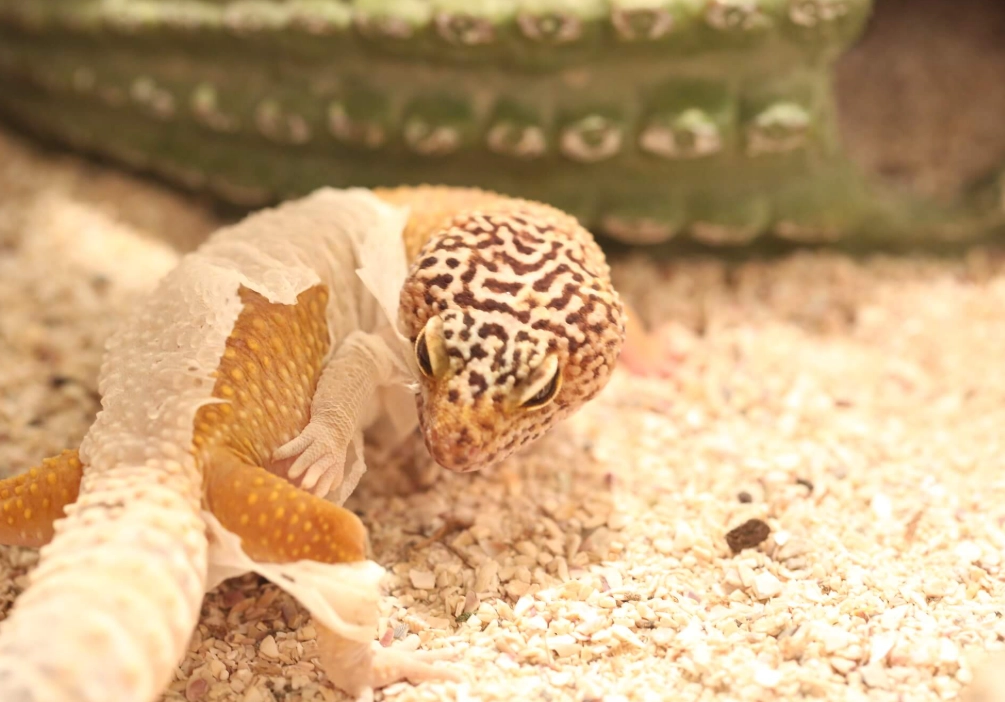
Reptile Shedding Problems: Why Your Gecko or Snake Stuck Shed
Struggling with a reptile shedding problems? Learn why your gecko or snake leaves stuck shed, the exact humidity and vitamin fixes I use, and when dysecdysis needs a vet visit.
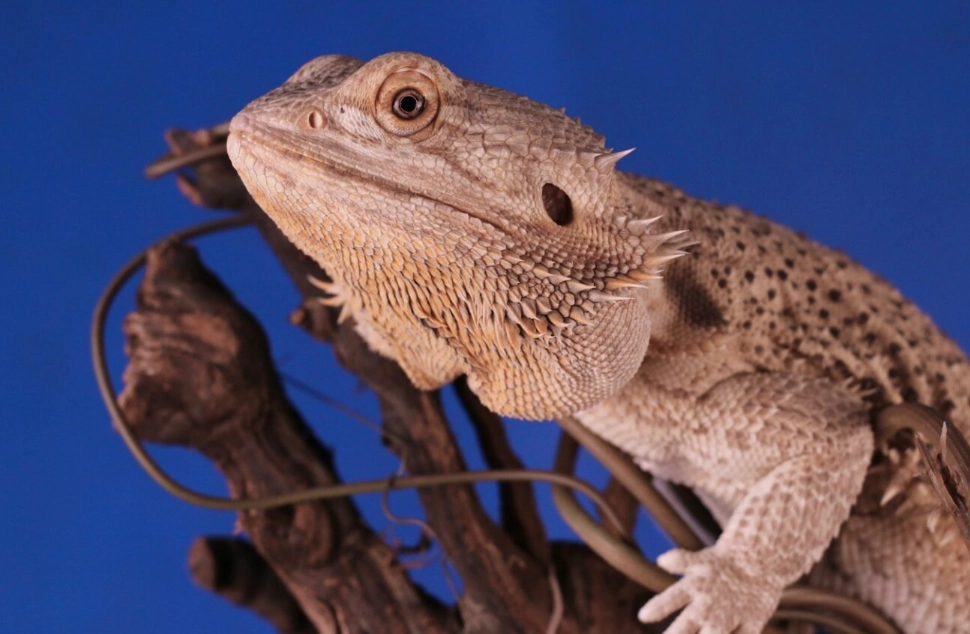
Reptile Feeding Schedule: Avoid Deadly Mistakes
Struggling to figure out the right reptile feeding schedule for your pet? Learn species-specific timing, prey size rules, and the mistakes that cause regurgitation or obesity in captive reptiles.
Best Substrate for Reptiles: Avoid Dangerous Mistakes
What is the best substrate for reptiles that won't cause impaction or mold? I tested 12 options in my own collection. Here's what actually holds humidity, stays clean, and keeps your animal safe.
Comments