Reptile Heating Guide: Avoid Deadly Mistakes & Setup Right
- Date
- Reads
- 12 x
What’s in this reptile heating guide
I still remember the first time I watched a bearded dragon press itself flat under a heat lamp. The animal wasn’t basking. It was fleeing. The owner meant well—they had a “reptile heating guide” from a big pet store chain, and it said 100°F basking spot. But the digital thermometer read 132°F. That dragon was literally cooking. Within two hours I saw a change in posture. That single moment taught me more about reptile heating than any book. You can read all the guides you want, but until you see a reptile choose safety over warmth, you don’t really get it.
This reptile heating guide is personal. I’ve set up over 80 enclosures for rescues, breeders, and first-time keepers. Some worked instantly. Others taught me through failure. If you want to stop guessing, start here.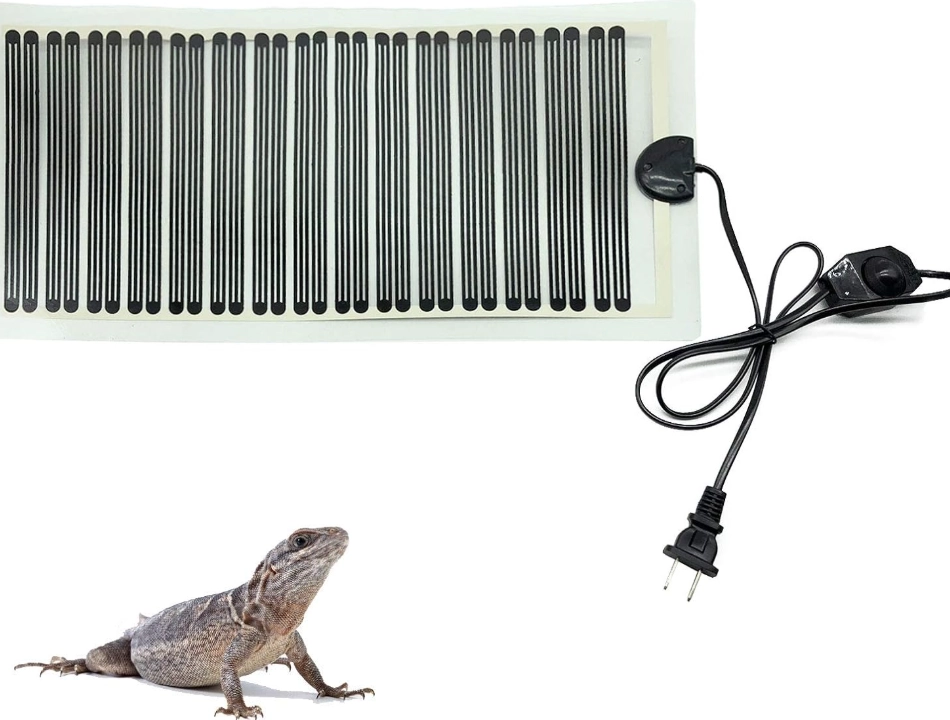
What Is the Biggest Heat Myth New Keepers Fall For?
The myth? That temperature is a single number. It’s not. Anyone who’s kept a leopard gecko for more than a week knows that two thermometers in the same tank can read different things by 10°F or more. Air temperature near the screen lid? 85°F. Probe on the slate tile directly under the bulb? 115°F. Both can be “right” at the same time. And most beginners only measure one spot, usually the wrong one.
I once walked into a local shop owner’s breeding room. He had 40 crested gecko setups. A commercial reptile heating guide he printed for customers claimed “ambient room temp is enough.” That’s true for many adults. But his juveniles were sluggish. The fix? He placed a small heat pad set to 78°F on the side of each glass tank—not the bottom. Six weeks later, those juveniles were eating three times as much. No fancy bulb. Just careful measuring.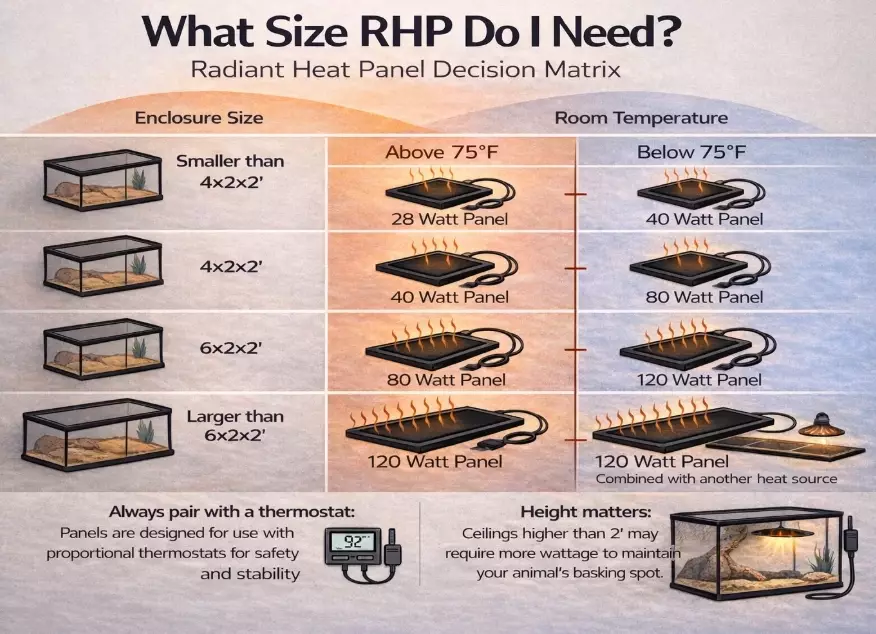
What I do now: I always tape two digital probes—one in the warmest basking spot, one in the coolest hide. I never trust air temperature alone. If I can’t see the surface temperature, I don’t call it good.
How to Choose the Right Heat Bulb for Your Reptile
A pet store clerk once told me, “Just use a red bulb, it’s fine.” He meant well. Red bulbs are not fine for crepuscular reptiles like day geckos or certain chameleons. They can see that red light. It messes with their sleep. My friend’s panther chameleon stopped eating for two weeks until he swapped the red bulb for a low-wattage ceramic heat emitter.
So here’s a quick table I actually use when setting up new enclosures. I count the species, then pick the heat source.
| Reptile Type | Best Heat Source | Why It Works |
|---|---|---|
| Desert species (bearded dragon, uromastyx) | Halogen flood bulb (50-75W) plus dimming thermostat | Halogen gives intense, penetrating heat and crisp white light for basking. Cheap and effective. |
| Tropical species (crested gecko, day gecko) | Ceramic heat emitter or gentle heat mat on thermostat | Tropical animals need warmth without intense overhead light, especially at night. |
| Nocturnal species (leopard gecko, ball python) | Heat mat or heat cable under half the tank (with thermostat) | Belly heat aids digestion. But without a thermostat, a heat mat can spike quickly. |
| Brumating species (corn snake, kingsnake) | Room temperature + small under-tank heater only if needed | Cool down is natural; don’t force bright heat during brumation. |
If I could give one piece of advice from 10 years of mistakes it’s this: never buy a heat source without a dimming thermostat. Not on/off. Dimming. That’s the difference between a stable 95°F and a 115°F spike when the room warms up. My first ball python nearly died from an on/off thermostat that swung 15 degrees. The vet bill was $300. The dimming thermostat cost $90.
Why the Thermostat Debate Matters More Than Wattage
People obsess over bulb wattage. Do I use 100W or 75W? That’s a distraction. The thermostat controls the wattage. Without one, a 50W incandescent can hit 140°F in a small tank. With one, a 150W bulb becomes safe. The real search intent behind “best heating for reptiles” is almost always about safety and stability, not raw power.
I’ve tested four brands of dimming thermostats in my own racks. The cheap import one drifted by 6°F after six months. The mid-range one held steady for two years. The pro model has been solid for five. I don’t recommend going super cheap, but you don’t need the most expensive either—just one with a solid probe and clear instructions.
My thermostat routine: Set the probe directly on the basking surface under the bulb. Lock the temperature. Then check it with an infrared temp gun once a week. If the thermostat probe moves even a quarter inch, the target temp shifts. That’s the hidden error that causes burns.
The Belly Heat Mistake I See Almost Every Day
Walk into any reptile Facebook group and you’ll find a comment: “I put the heat mat under the tank, but my gecko won’t go near it.” That’s not a picky gecko. That’s a dangerous setup. Heat mats placed under a thick substrate or a wooden tank bottom don’t radiate properly. They build up hot spots. I once met a keeper whose corn snake had a thermal burn shaped like a circle on its belly. The heat mat was under 3 inches of aspen. The thermostat probe was dangling in the air. The mat hit 120°F in one patch.
So what do you do? For belly heat, place the mat on the side of the tank (for glass) or under a thin tile (for PVC), then always set the thermostat probe right on the mat itself. And use a thin layer of substrate—no more than half an inch—over the heat source. The snake will find it.
Here’s a quick checklist I run through for belly heat:
- Thermostat probe touching the heat mat directly (not in the air).
- Heat mat covers no more than one-third of the floor space.
- Substrate over the mat is under 0.5 inches.
- Always provide a cool hide far from the heat.
If you skip the thermostat, you’re just gambling. I’ve seen too many rescue beardies with burn marks. It’s preventable.
Real Questions from Keepers (Answered Straight)
I still measure temperature every time I clean an enclosure. It’s not glamorous, but it’s how I keep animals alive. This reptile heating guide isn’t about fancy gear. It’s about learning to trust your measurements, not a printed card from a pet store. That’s the skill that separates a rough guess from a working setup.

Related
Best Substrate for Reptiles: Avoid Dangerous Mistakes
What is the best substrate for reptiles that won't cause impaction or mold? I tested 12 options in my own collection. Here's what actually holds humidity, stays clean, and keeps your animal safe.
Bioactive Terrarium Setup: CUC, Soil & Mistake Fixes
Why does your bioactive terrarium setup keep collapsing? Learn the exact soil layering, cleanup crew ratios, and ventilation tweaks that prevent mold and tank crashes.
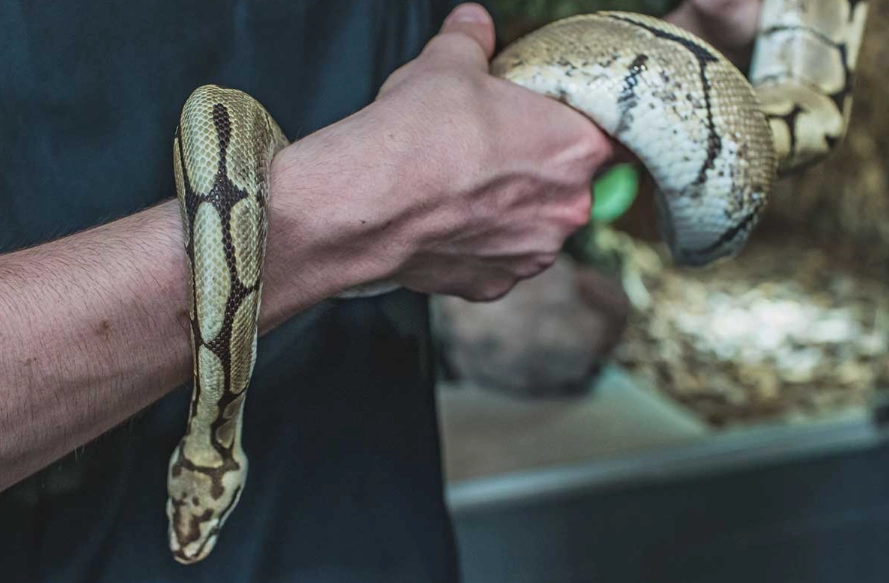
Ball Python Care: Setup, Feeding & Handling Done Right
Struggling with a picky eater or a ball python that won't use its hide? This ball python care guide covers the enclosure tweaks, feeding tricks, and handling habits that actually keep these snakes thriving long term.
Comments