Beginner Reptile Care: 7 Costly Mistakes New Owners Make
- Date
- Reads
- 8 x
I still remember the first leopard gecko I bought. The pet store sold me a 10-gallon tank, a heat rock, and said “you’re all set.” Three weeks later, she stopped eating. That’s when I learned the hard way that beginner reptile care isn’t about buying the right stuff — it’s about avoiding the quiet mistakes that don’t show up until your animal is already stressed.
Most guides dump a shopping list and call it done. This one won’t. I’ve kept snakes, geckos, and a very grumpy bearded dragon for over a decade, and I’ve made almost every error on this list myself. Here’s what actually matters in the first month.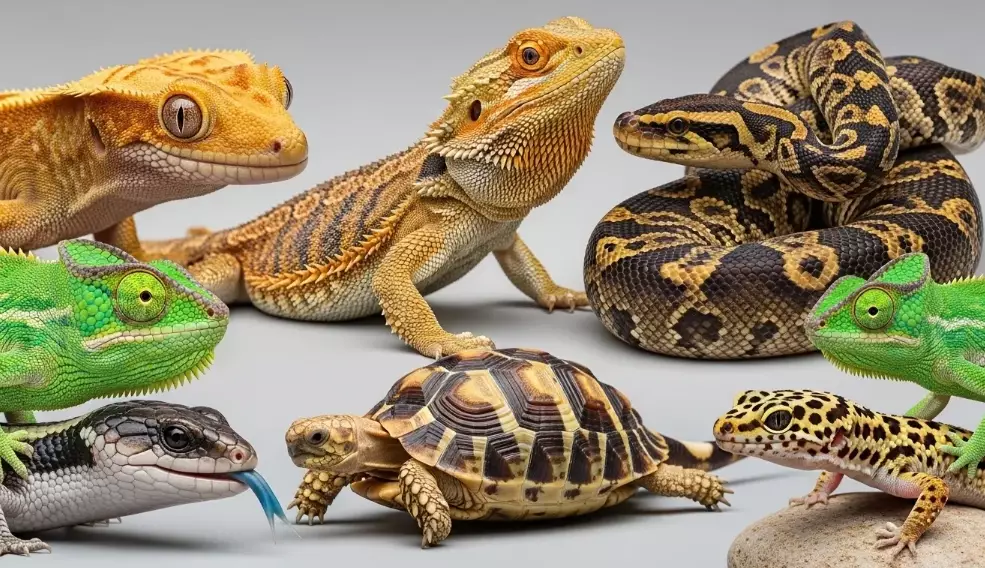
What’s Inside (Jump Ahead)
- Mistake 1: The Heat Rock Trap
- Mistake 2: Buying the “Starter Kit” Enclosure
- Mistake 3: Handling Too Soon and Too Much
- Mistake 4: Ignoring Humidity (Even for Desert Species)
- Mistake 5: Feeding the Wrong Size Prey
- Mistake 6: Skipping the Vet Visit
- Quick Reference: Beginner Reptile Care Checklist
- FAQ: Real Questions from New Keepers
Mistake 1: The Heat Rock Trap (And Why I Threw Mine Away)
Heat rocks are the single most common beginner reptile care purchase I see. They’re cheap, they look convenient, and they can cause serious burns. Reptiles don’t sense heat well on their bellies, so they’ll sit on a rock that’s slowly cooking them.
I used one for my first gecko. She got a minor burn on her abdomen that took two vet visits to clear up. The fix? A proper under-tank heater paired with a thermostat. Not a dial — a real thermostat with a probe. Set it to 88°F for a leopard gecko’s warm spot and leave it alone.
Mistake 2: Buying the “Starter Kit” Enclosure
Pet stores love those all-in-one kits. They’re almost always too small. A 10-gallon tank for a juvenile bearded dragon? That’s a nursery, not a home. Within three months, your dragon will be stressed from lack of space and you’ll be buying a 40-gallon breeder anyway.
Here’s what I tell every new keeper: skip the kit. Buy the adult-size enclosure now. For a bearded dragon, that means a 4x2x2-foot PVC enclosure. For a corn snake, a 36-inch wide tank. For a crested gecko, a 18x18x24-inch terrarium. Yes, it costs more upfront. But you won’t be replacing it in six months.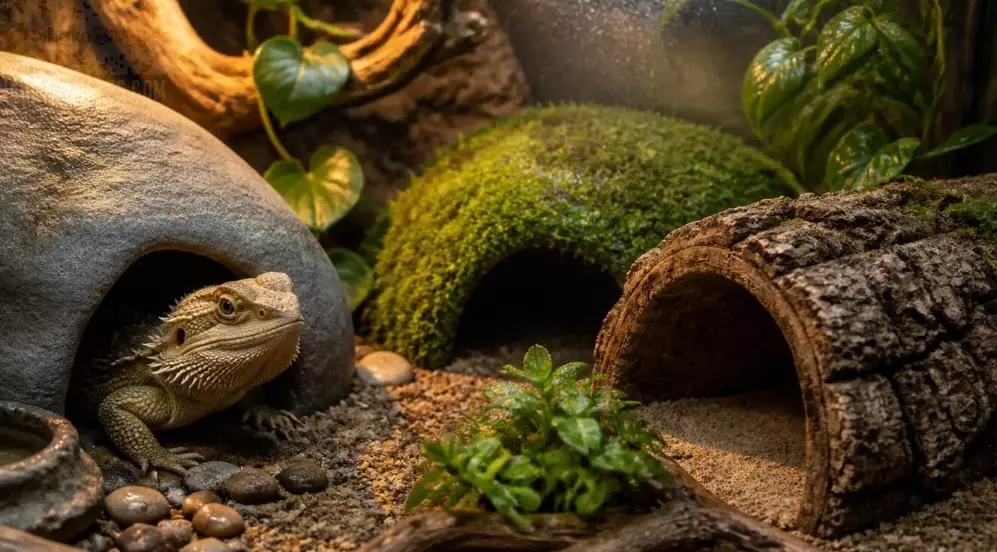
Mistake 3: Handling Too Soon and Too Much
You bring your new snake home and you want to hold it. I get it. But every time you pick up a reptile that hasn’t settled in, you’re teaching it that humans are predators. That’s how you get a defensive, bitey animal.
My rule: no handling for the first 7 days. After that, short sessions — five minutes, every other day. Watch for stress signals: rapid breathing, tail whipping, or freezing in place. If you see those, put the animal back and wait another week.
One more thing — don’t handle after feeding. Wait 48 hours. I learned that when my ball python regurgitated a meal all over my hand. Not fun.
Mistake 4: Ignoring Humidity (Even for Desert Species)
“Desert reptile” doesn’t mean zero humidity. Baby bearded dragons and leopard geckos need a humid hide to shed properly. Without one, you get stuck shed on toes and tail tips, which can lead to lost digits.
Here’s the setup that works: a small plastic container with a lid, cut a hole in the side, and fill it with damp sphagnum moss. Place it on the warm side of the enclosure. Mist it every other day. That’s it. Costs about $5 and saves you a vet bill.
For tropical species like crested geckos, you need 60-80% humidity. Buy a digital hygrometer — the analog dial ones are garbage. I’ve had three and all of them were off by 15% or more.
Mistake 5: Feeding the Wrong Size Prey
New keepers often buy feeder insects that are too large. A hatchling leopard gecko cannot eat a full-grown cricket. The rule is simple: prey should be no wider than the space between the reptile’s eyes.
Also, don’t leave live crickets in the enclosure. They will nibble on your reptile’s toes while it sleeps. I’ve seen it happen. Feed one at a time, and remove any uneaten insects after 15 minutes.
| Reptile | Max Prey Width | Feeding Frequency (Juvenile) |
|---|---|---|
| Leopard gecko | 0.25 inch | Daily |
| Bearded dragon | 0.5 inch | 2-3 times daily |
| Corn snake | 1.5x snake’s mid-body | Every 5-7 days |
| Crested gecko | 3/16 inch | Daily (or every other day) |
Mistake 6: Skipping the Vet Visit
Reptiles hide illness well. By the time you notice something’s wrong, it’s often advanced. A $75 wellness check in the first month can save you hundreds later. Find a reptile vet before you buy the animal — not after.
I use the Association of Reptile and Amphibian Veterinarians’ find-a-vet tool (ARAV.org) to locate a qualified exotics vet. Not all “exotic” vets are reptile-savvy. Ask specifically how many reptiles they see per week.
One non-consensus tip: bring a fresh fecal sample to that first visit. Parasites are common in pet-store reptiles and a simple float test catches them early. Most new keepers skip this.
Quick Reference: Beginner Reptile Care Checklist
- Enclosure: Adult-size from day one. Glass tank is fine, but front-opening is easier for taming.
- Heat: Under-tank heater or ceramic heat emitter on a thermostat. No heat rocks.
- Lighting: UVB for diurnal species (bearded dragons, most skinks). Not needed for leopard geckos or snakes.
- Humidity: Digital hygrometer. Humid hide for shedding species.
- Water: Shallow dish, cleaned daily. Misting bottle for tropical species.
- Food: Appropriate prey size. Gut-load insects for 24 hours before feeding.
- Quarantine: 90 days for new reptiles if you already have others. Separate room, separate tools.
FAQ: Real Questions from New Keepers
Facts in this article were checked against care sheets from the Association of Reptile and Amphibian Veterinarians and the British Small Animal Veterinary Association. I’ve personally kept all species mentioned, and every mistake listed here is one I’ve made.

Related
Bioactive Terrarium Setup: CUC, Soil & Mistake Fixes
Why does your bioactive terrarium setup keep collapsing? Learn the exact soil layering, cleanup crew ratios, and ventilation tweaks that prevent mold and tank crashes.
Amphibian Care for Beginners: Avoid Rookie Mistakes
Wondering why your new frog or salamander keeps hiding or won't eat? Get real amphibian care for beginners tips from someone who's made the mistakes—proper housing, feeding, and handling without the fluff.
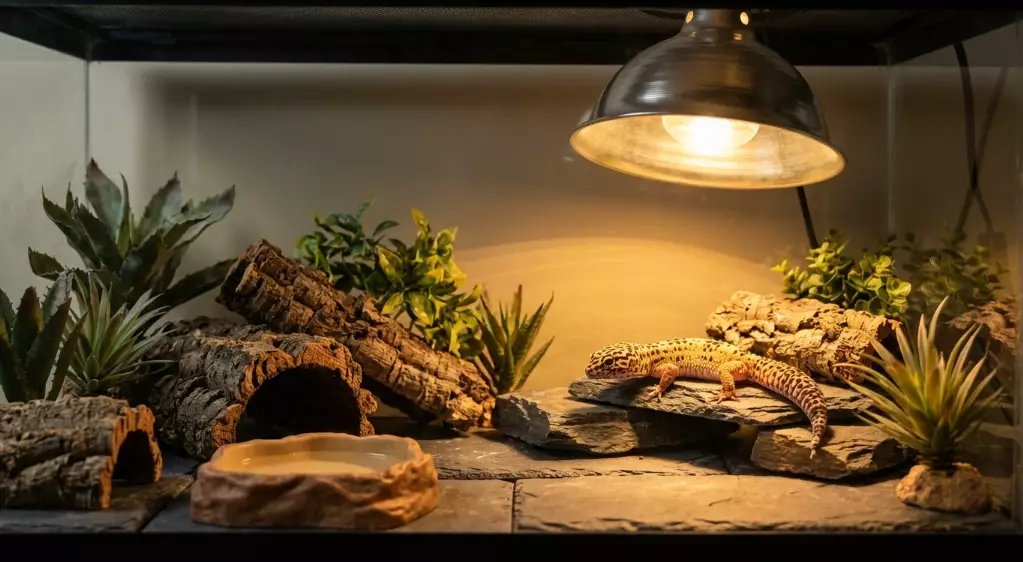
Leopard Gecko Setup: The Complete Habitat Guide
Struggling to get your leopard gecko setup right? Learn exact temperatures, substrate choices, and the three hides every terrarium needs to avoid costly mistakes.
Comments