How to Handle a Reptile: 7 Rules That Prevent Bites
- Date
- Reads
- 3 x
What's in this guide
I've been keeping and handling reptiles for 12 years. Here's the short version: how to handle a reptile correctly comes down to reading the animal before your hand goes in, supporting the whole body, and keeping sessions under 15 minutes. Most bites and drops trace back to one thing — grabbing from above. That's the lesson I learned the hard way with a rescue bearded dragon that whipped around and clamped onto my thumb in the first week.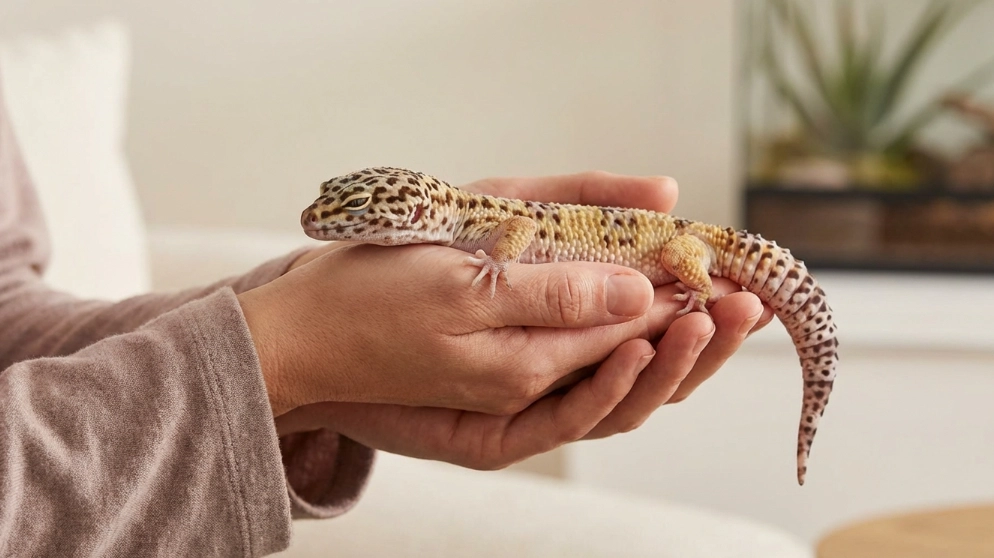
Why Most Handling Goes Wrong
Reptiles aren't dogs. They don't read your intent. A hand coming from above looks like a hawk or a snake. That's why so many new keepers get nipped on the first attempt. The animal wasn't aggressive — it was defending itself from a predator-shaped object.
Another thing I see constantly: people handle cold reptiles. A bearded dragon that's been at 26°C in the morning is sluggish and clumsy, and if it slips it can drop its tail. Warm the animal first, then handle. This one detail alone prevents a huge share of tail loss in geckos.
Quick test: place your hand flat in the enclosure for 10 seconds. If the reptile freezes or flattens, it's not ready. If it flicks its tongue or walks toward your hand, you're clear to lift.
The 7 Rules I Use Every Time
These are the rules I keep on a card taped inside my rack. They're not theory — each one came from a specific mistake I made or saw another keeper make.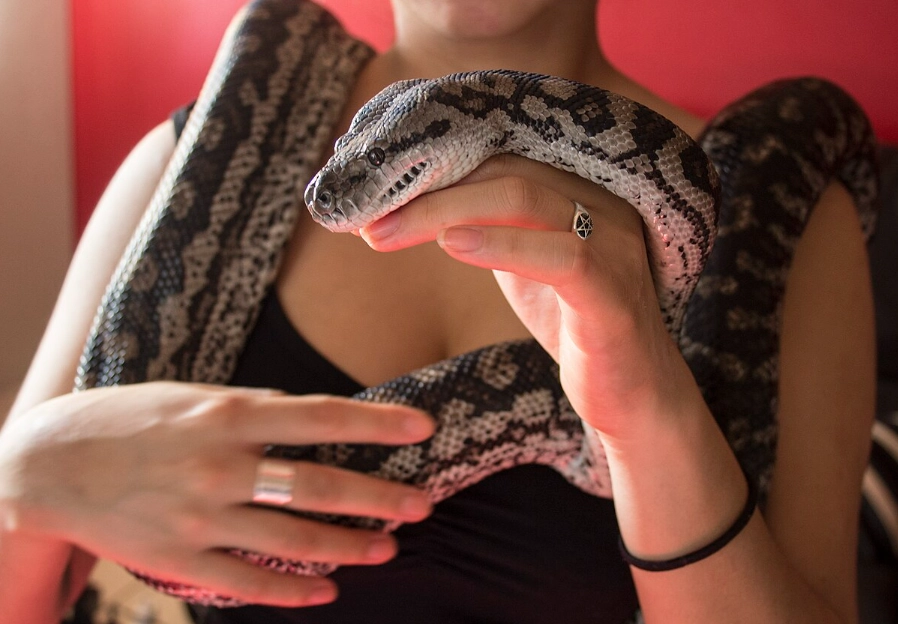
- Wash hands before and after. Sick reptiles don't show it until late. Salmonella risk is real, so scrub with soap for 20 seconds.
- Approach from the side or below. Never come down from above like a bird.
- Support the whole body. One hand under the chest, one under the belly or tail base. Never grab a tail.
- Lift slowly, then hold still. Reptiles settle when the motion stops. Constant movement spikes stress hormones.
- Keep sessions to 10 to 15 minutes. Longer sessions cause more stress than they build trust.
- Let go when the reptile pulls back. Chasing a retreating animal turns trust into fear.
- Return it to the same spot. Predictable returns lower stress in the next session.
Species Cheat Sheet
Not every reptile wants to be held. Some tolerate it. Others shouldn't be handled at all. Here's how I sort the common pets I've owned or worked with at a rescue center in the UK.
| Species | Handling Tolerance | Best Approach | Session Length |
|---|---|---|---|
| Bearded dragon | High — usually calm | Side approach, full support | 15 minutes, daily |
| Leopard gecko | Medium — skittish | Let it walk onto your palm | 10 minutes, 2–3x weekly |
| Crested gecko | Medium — jumpy | Low hand, no lifting by tail | 10 minutes, 2x weekly |
| Corn snake | High — docile | Support body, unhurried | 15 minutes, daily |
| Ball python | Medium — shy | Approach slow, hold still | 15 minutes, not during shed |
| Green iguana | Low — defensive | Only with trained adults | 5–10 minutes |
A Real First-Hand Session
Last spring, a local keeper brought me a juvenile corn snake that had started striking. I put my hand in flat and let the snake flick its tongue on my knuckles for about 30 seconds. Then I slid my palm under its belly and let it climb on. No grabbing.
The snake climbed, froze, then explored. That took maybe two minutes. It was calm within ten. The keeper thought I had some trick. I didn't. The trick was not lifting from above.
Quick observation: stressed reptiles flick their tongues faster and more often. A calm snake explores slowly. You can use tongue speed as a stress meter in real time.
Mistakes That Cost Tails
I've seen far too many dropped tails from handling. Almost all of them share one of these causes:
- Grabbing the tail. In leopard geckos, even a brief pinch drops it. The tail can regrow, but it's never the same.
- Handling after a missed feed. Hunger raises aggression. Feed first, then wait a day.
- Handling during shed. Skin is soft and the reptile is anxious. Skip handling entirely until the shed is complete.
- Handling around other pets. A cat walking by can flip a reptile into a panic response in a heartbeat.
- Sudden room changes. Moving a reptile to a new room is stressful. Let it settle for two days before the first handling session.
One thing I'd argue against the wider hobby consensus: I don't recommend social-media style "free roaming" on beds or sofas. Reptiles get lost, fall, and hide. I've helped recover too many escaped geckos under a dresser. Keep it simple — handle on the floor or over a low surface.
FAQ
How do I handle a reptile that keeps biting during feeding time?
Use separate feeding tongs or a small dish, and never hand-feed. If the animal still bites, feed it before the handling session and wait 24 hours to avoid turning your hand into a food signal.
Is it safe to handle a reptile right after it sheds?
Wait at least 24 hours after a complete shed. The new skin is thin and sensitive. A short session two days later is fine and actually helps calm the animal.
How do I pick up a bearded dragon that refuses to be lifted?
Don't scoop. Slide one flat hand under the chest while the other supports the belly. If it flattens and puffs, leave it. Try again tomorrow. Most refusals come from a cold enclosure or a recent scare.
My gecko dropped its tail during handling — what now?
Put it back in the enclosure and don't handle it for at least two weeks. Keep the enclosure clean and warm. The tail regrows over weeks to months, but the early stress can slow regrowth.
Can I handle a reptile with children around?
Yes, but a child should never hold a reptile unsupervised. Have them sit, then place the reptile on their hands — never let a child pick it up. Wash hands together afterward. This matches advice from the RSPCA on responsible reptile pet ownership.
If you want a credible reference for species-specific and welfare points, check the RSPCA's reptile care pages and the International Herpetological Society's husbandry notes. Both are worth reading before you bring any reptile home — and definitely before you lift one.

Related

Best Substrate for Reptiles: Avoid Dangerous Mistakes
What is the best substrate for reptiles that won't cause impaction or mold? I tested 12 options in my own collection. Here's what actually holds humidity, stays clean, and keeps your animal safe.
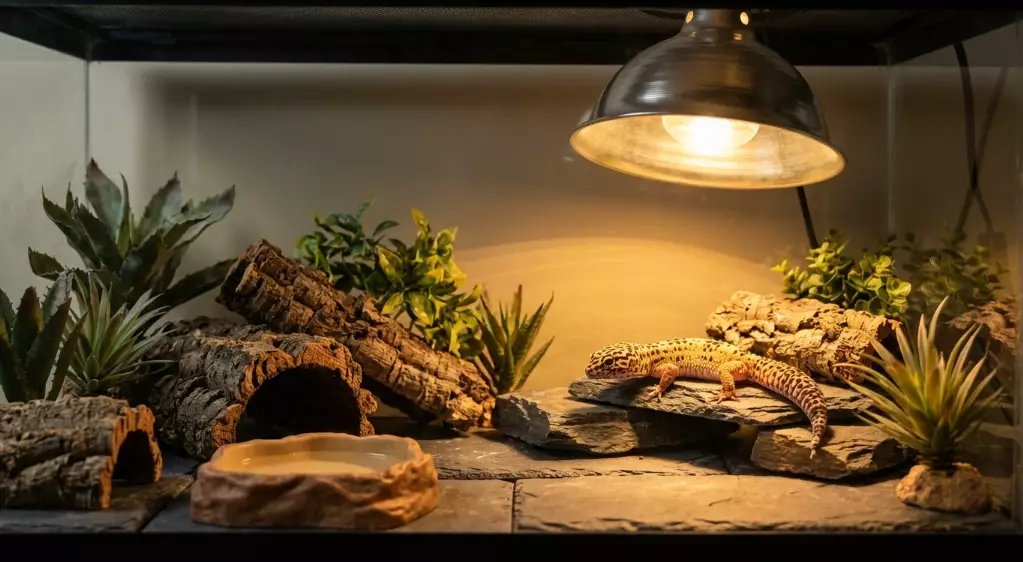
Leopard Gecko Setup: The Complete Habitat Guide
Struggling to get your leopard gecko setup right? Learn exact temperatures, substrate choices, and the three hides every terrarium needs to avoid costly mistakes.
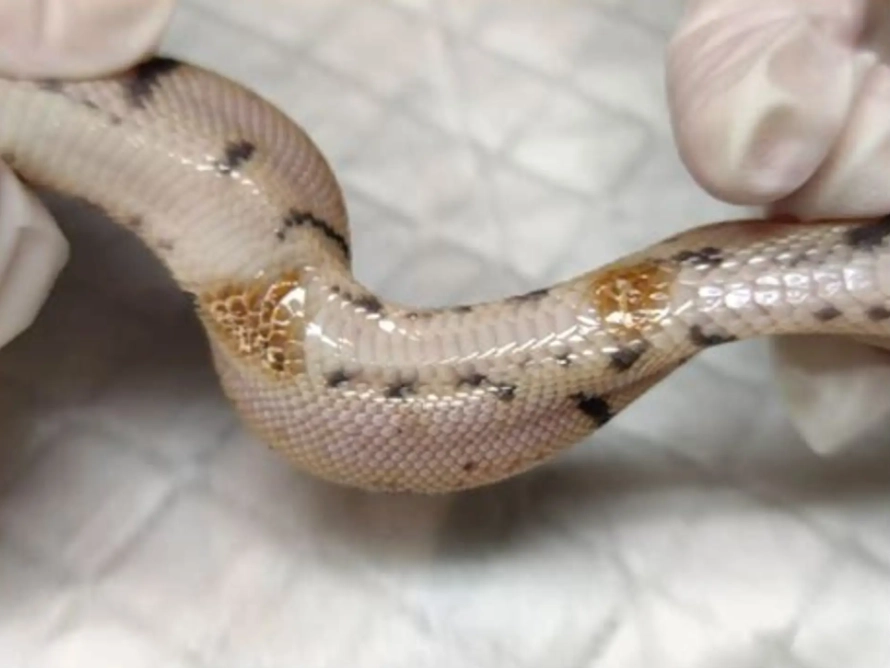
Signs of Sick Reptile: 12 Warning Signs Owners Miss
What are the early signs of a sick reptile that most owners overlook? From subtle weight loss to odd basking habits, here are 12 warning signs a seasoned keeper checks daily.
Comments