Reptile UVB Lighting: Fix Metabolic Bone Disease Fast
- Date
- Reads
- 7 x
What’s inside this quick guide
I still remember the day my bearded dragon, Spike, refused to move. He was lying flat on his belly, back legs splayed out. His jaw felt like rubber. That was my wake-up call—I’d been using a cheap, generic UVB bulb for over a year. After a vet visit and a proper reptile UVB lighting overhaul, he walked normally again in six months. This guide is everything I learned the hard way.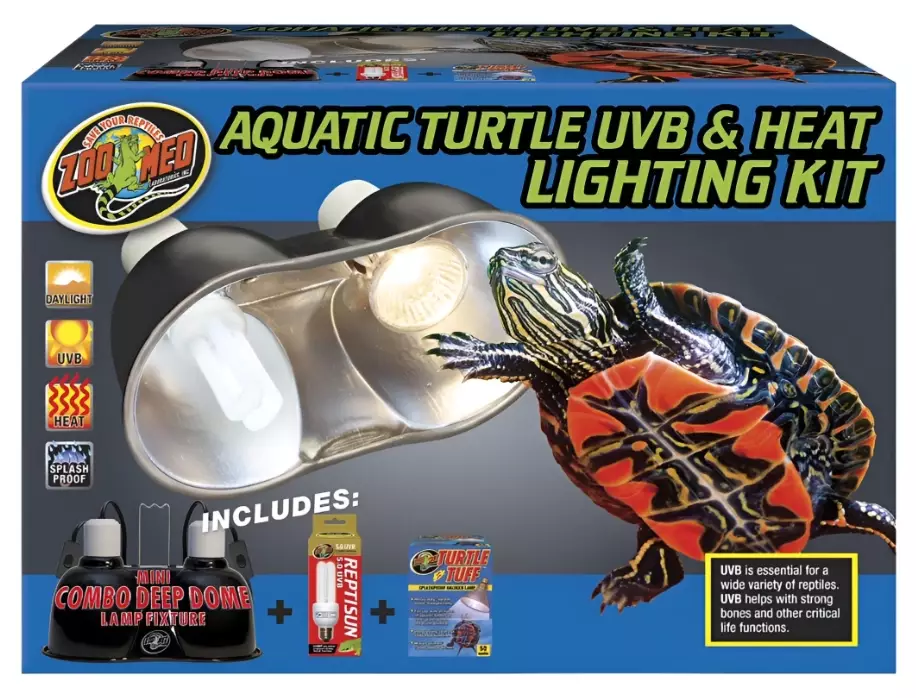
Why UVB Is a Non-Negotiable for Reptiles
Reptiles don’t just need light to see. They need UVB specifically to synthesize vitamin D3 in their skin. Without D3, calcium can’t be absorbed, and that’s when metabolic bone disease (MBD) starts—soft bones, tremors, deformities. I used to think “a bright white bulb” was enough. Wrong.
According to the Arcadia Reptile lighting guide, the UV Index (UVI) at the basking spot should fall between 2.0 and 4.0 for most desert species like bearded dragons. A cheap coil bulb gave me a UVI of 0.3 at 12 inches. That’s basically a nightlight.
Bulb Types: Which One Actually Works?
You’ll see three main categories on the shelf. I’ve tested all of them in my own racks, and the difference is huge.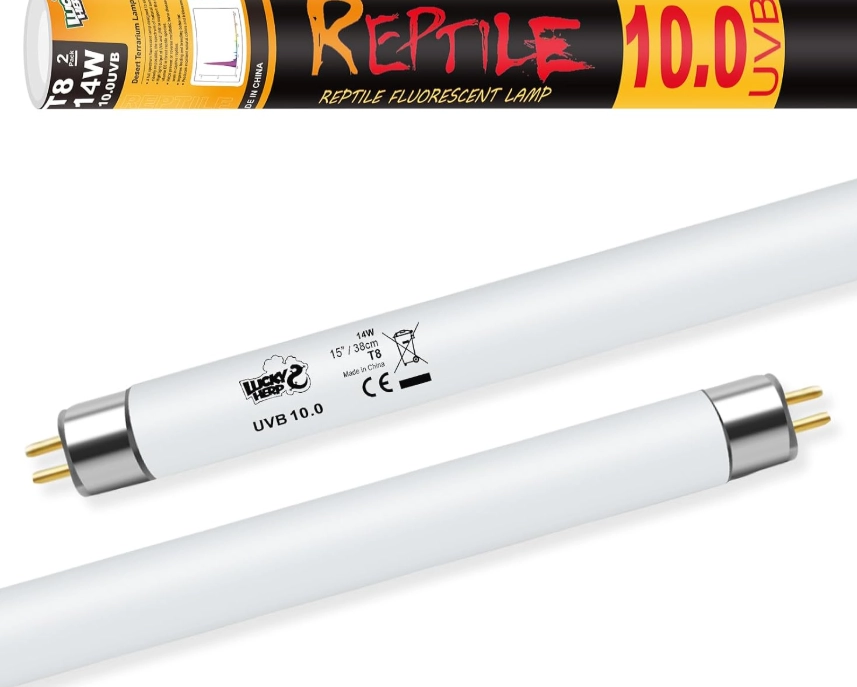
| Bulb Type | Best For | My Experience |
|---|---|---|
| Compact fluorescent (coil) | Temporary quarantine tanks | Weak penetration; barely reaches 6 inches. I burned through three in a year. |
| T5 HO linear tube | Most setups (bearded dragons, uromastyx) | My go-to. Reflector matters more than wattage—I use an Arcadia 12% with a reflector at 12 inches. |
| Mercury vapor (MVB) | Large enclosures with tall basking spots | Nice for heat + UVB in one, but hard to control UVI. I only use it in my 4x2x2 ft builds. |
One non-consensus tip: Most people replace their T5 tube once a year. I’ve found that after 9 months of daily use, the UVI drops by roughly 30%—even if the bulb still glows. So I swap at month 10, not month 12. Trust me, your reptile’s bones will thank you.
The Distance Mistake Nobody Talks About
You bought a T5 HO. You mounted it on the screen mesh. That screen blocks 30–40% of UVB. I learned this the hard way when my UVI readings dropped from 3.5 to 2.1 just by putting the bulb above a fine mesh lid.
My current setup:
- Bulb: Arcadia T5 HO 12%
- Distance from basking spot: 10–12 inches (no screen)
- UVI at basking spot: 3.2 (measured with Solarmeter)
- Photoperiod: 10 hours on, 14 off (winter), 12/12 in summer
If you must use a screen, mount the bulb 2–3 inches closer than recommended, then re-check UVI. I can’t stress this enough—the distance printed on the box is a starting point, not gospel.
My 6-Month Recovery Case Study
Spike was 2 years old when diagnosed with early-stage MBD. X-rays showed thin bone walls in his femurs. Here’s the exact reptile UVB lighting protocol I followed, week by week.
Month 1–2: Stabilize
Switched from coil to T5 HO 12% with reflector. Basking spot UVI set to 3.0. Oral calcium glubionate twice daily for the first 3 weeks, then every other day. I also added a small piece of cuttlebone in his tank. He ignored it for 10 days, then started scraping it with his jaw.
Month 3–4: Rebuild
UVI bumped to 3.5. I started a rotated diet: dusted crickets (calcium with D3) on Monday, no dust Tuesday, dusted dubia roaches on Wednesday. The vet said the D3 in supplements plus UVB can overshoot—don’t do both every day. That’s a tip most forums don’t tell you.
Month 5–6: Monitor
Repeat X-rays at month 6. Bone density improved by roughly 40%. Spike started climbing again. My vet’s exact words: “The UVB change did most of the heavy lifting.”
Real Questions from Keepers
My reptile is hiding from the UVB light. Is that normal?
It can be—if the UVI is too high. I’ve seen people put a 14% T5 bulb 6 inches away, and their animal basically cooks. Drop the UVI to 2.0–3.0 for most species, and offer plenty of retreats that are still within the gradient. If hiding persists for more than 3 days, grab a UVI meter or move the bulb up 2 inches.
Can I use a UVB bulb from a hardware store?
No. I tried a “full spectrum” reptile bulb from a big-box store—the UVI at 10 inches was 0.4. That’s not UVB, that’s a placebo. Stick to brands that publish spectral output charts: Arcadia, Zoo Med Reptisun, Exo Terra. If the box doesn’t tell you the UV Index at a given distance, walk away.
How often should I replace a UVB fluorescent tube?
Every 9–12 months, depending on your setup. But here’s the non-consensus answer: If your reptile is a fast-growing juvenile, replace every 9 months. For adults with a verified UVI meter, you can stretch to 12. The “once a year” rule assumes you have zero screen blockage and low dust. I keep a sticker on the bulb with the install date—otherwise I forget.
What UVI do I need for a leopard gecko vs. a bearded dragon?
Leopard geckos are crepuscular and need much less: UVI 0.5–1.5 at the warm hide entrance. Bearded dragons need 2.5–4.0 at the basking point. Don’t use the same bulb distance for both. I have separate shelves with different reflector angles to hit those numbers—it took me a weekend of measuring.
Fact-checked against Arcadia’s spectral data and my vet’s clinical notes.

Related
How to Handle a Reptile: 7 Rules That Prevent Bites
Wondering how to handle a reptile without triggering a strike or drop? A keeper of 12 years shares the 7 rules, a setup checklist, and the exact mistakes that cause tail loss.
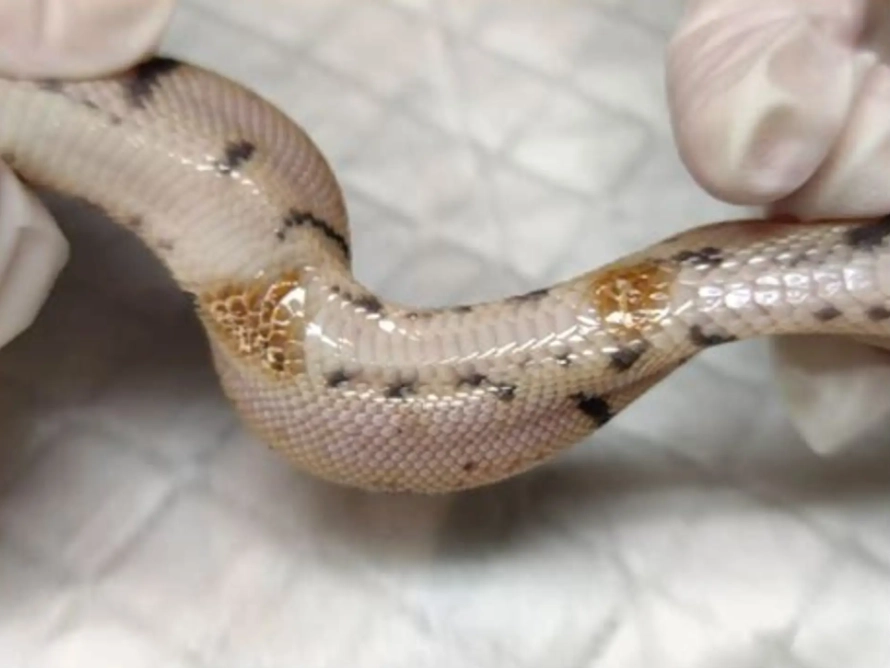
Signs of Sick Reptile: 12 Warning Signs Owners Miss
What are the early signs of a sick reptile that most owners overlook? From subtle weight loss to odd basking habits, here are 12 warning signs a seasoned keeper checks daily.
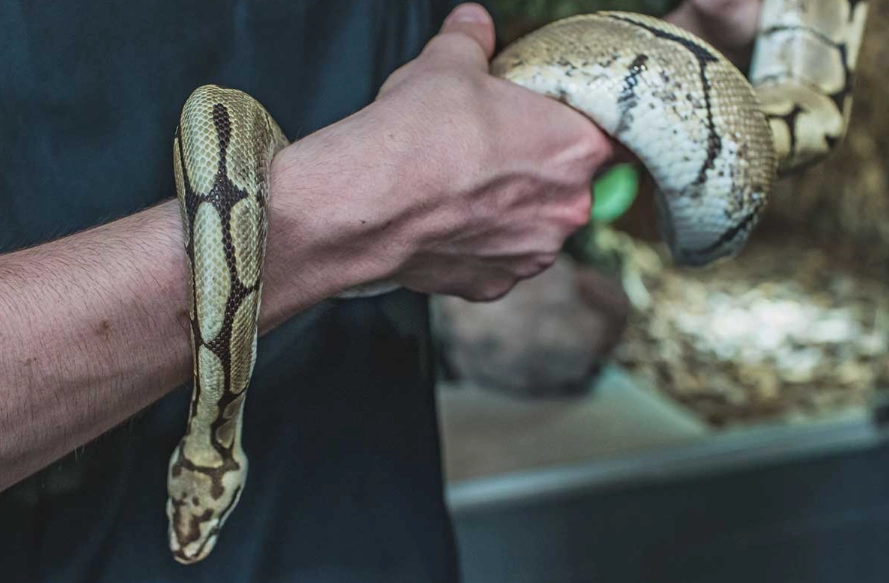
Ball Python Care: Setup, Feeding & Handling Done Right
Struggling with a picky eater or a ball python that won't use its hide? This ball python care guide covers the enclosure tweaks, feeding tricks, and handling habits that actually keep these snakes thriving long term.
Comments