Crested Gecko Terrarium Setup: Real-World Guide to Thrive
- Date
- Updated
- Updated 2026-11-16
- Reads
- 5 x
I’ve set up more crested gecko terrariums than I care to count—some for my own collection, some for friends who called me panicking because their gecko stopped eating or had a bad shed. Here’s the bottom line: your crested gecko terrarium setup is the foundation for everything. Get the enclosure, humidity, and climbing structure right, and you’ll avoid 90% of the problems I see in forums.
What Size Terrarium Does a Crested Gecko Need?
Most online guides say a 12x12x18-inch enclosure is fine for an adult. It’s not. I’ve measured my own geckos and observed them in different setups—they use every inch of space. A juvenile can start in an 18x18x18-inch terrarium. An adult needs at least a 24x18x24-inch enclosure. Period. The larger footprint lets you create a temperature gradient and a real climbing structure. Reptiles Magazine’s care sheet backs this up, but I’ll push further: a 36-inch tall enclosure turns a hidden gecko into an active display animal.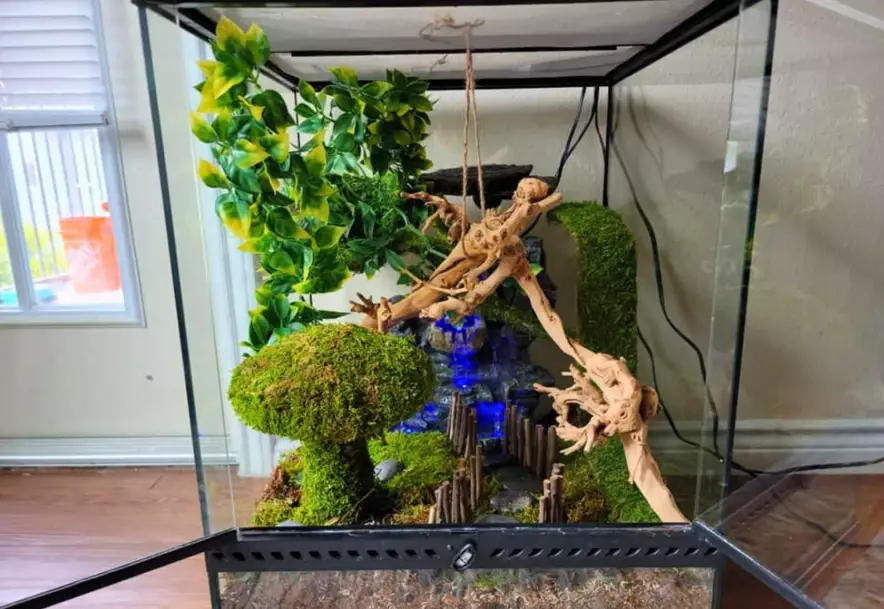
Why height matters more than floor space
Crested geckos are arboreal. In the wild, they live in shrubs and trees, not on the ground. A low, wide terrarium might look nice on your shelf, but it stresses them. They need vertical branches, hanging plants, and cork bark tubes mounted at different heights. My rule: if the enclosure is shorter than 24 inches, it’s a grow-out tank, not a forever home.
How to Build the Three-Layer Setup (My Exact Method)
I build every crested gecko enclosure in three layers: substrate base, climbing support, and cover. This mimics what they experience in the wild and gives them choices. The gecko decides where it wants to be based on temperature and humidity. Your job is to provide options.
Layer 1: Substrate
Paper towels are fine for quarantine or a new gecko you’re monitoring. For a permanent setup, a soil mix works better. My mix: 60% organic topsoil, 30% coco coir, 10% play sand. It holds moisture without turning into mud. I’ve tested straight coco coir—it dries too fast and becomes dusty. Bioactive Herps sells a premade mix if you don’t want to blend your own, but the DIY version costs a third of the price.
Layer 2: Climbing structure
Don’t just lean a piece of driftwood against the glass. Secure it. I use cork bark tubes and magnetic ledges. The gecko needs horizontal perches at different heights—one near the top under the heat source, one mid-level for basking, one lower for retreat. Avoid smooth branches like bamboo; their toe pads need texture.
Layer 3: Cover and foliage
Live plants are my first choice. Pothos, philodendron, and ficus benjamina handle the humidity and provide hiding spots. If you use fake plants, wash them first—I learned that the hard way after a batch of dye leached onto a gecko’s feet. Leave one corner open for a feeding ledge. A stressed gecko will hide in the foliage; a relaxed one will sit on top of it.
Humidity and Misting: The Subtle Mistakes That Cause Shedding Issues
This is where most setups fail. Crested geckos need a humidity cycle, not constant wetness. You want 60-80% humidity right after misting, dropping to 50% by evening. A digital hygrometer is non-negotiable. I’ve seen people mist three times a day and wonder why their gecko has stuck shed. Too much moisture causes bacterial growth and respiratory issues.
My schedule: one heavy mist in the morning (the enclosure should look wet but not dripping) and a light mist in the evening if the humidity drops below 50%. During winter, when the heater dries the air, I cover half the screen top with a glass panel. In summer, I use a small computer fan on low to keep air moving. Stagnant air is a killer.
Here’s a non-consensus tip: skip the automatic misting systems. I’ve tested two popular brands and both kept the terrarium too wet. Hand misting lets you read the conditions. It takes 30 seconds.
Bioactive vs. Simple Terrarium: Which Should You Choose?
Bioactive setups are trendy. They look incredible. But they’re not for everyone. A bioactive crested gecko terrarium includes a drainage layer, live plants, and a cleanup crew (springtails and isopods). It’s more work upfront and costs more. But it reduces how often you need to change the substrate.
| Setup Type | Time to Build | Upkeep | Best For |
|---|---|---|---|
| Simple (paper towel + fake plants) | 20 minutes | Change towel weekly | Quarantine, new keepers |
| Naturalistic (soil + live plants) | 2 hours | Spot clean, mist daily | Intermediate keepers |
| Bioactive (drainage + cleanup crew) | 3-4 hours | Feed cleanup crew, trim plants | Experienced keepers who want a display |
My honest take: start with a naturalistic setup. Once you’ve kept humidity stable for six months, go bioactive. I’ve seen too many people jump to bioactive, kill their plants, and end up with a swamp.
Common Setup Questions I Get All the Time
My gecko refuses to eat after moving into a new terrarium. Is the setup wrong?
Not necessarily. They often go off food for a week after a move. But check your temperatures first. Crested geckos eat poorly if the terrarium stays below 68°F. I keep my setups at 72-75°F during the day. If it’s warm enough, leave the gecko alone for five days—no handling, just misting. That usually breaks the hunger strike.
How do I stop mold growing on the soil in a crested gecko terrarium?
More springtails, fewer misting sessions. Mold appears when the substrate stays wet and there’s no air movement. I add a layer of leaf litter (oak or magnolia leaves, baked first) on top of the soil. It keeps the surface drier and gives the cleanup crew a place to work. Also, don’t use a solid glass lid—screen tops are essential for gas exchange.
Why does my crested gecko climb the glass and fall off?
That’s a sign of poor structure. If a gecko keeps slipping, your terrarium lacks textured surfaces. I wrap cork bark panels on one side of the enclosure—they love clinging to it. Also check your humidity; dry toe pads lose grip. But the main fix is adding more horizontal branches at multiple levels so the gecko doesn’t have to walk on glass.
Setting up a crested gecko terrarium isn’t about buying every gadget. Focus on size, structure, and a proper humidity cycle. The rest is fine-tuning. I’ve seen simple setups with a gecko thriving for years and expensive paludariums where the animal looks miserable. Keep it practical, watch your gecko’s behavior, and adjust.
Related
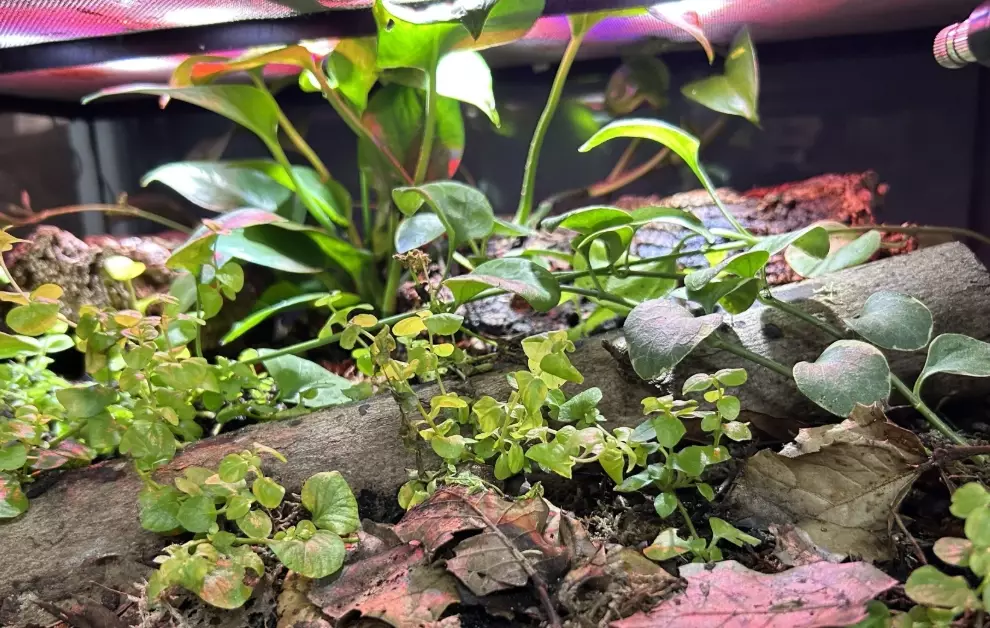
Bioactive Terrarium Setup: CUC, Soil & Mistake Fixes
Why does your bioactive terrarium setup keep collapsing? Learn the exact soil layering, cleanup crew ratios, and ventilation tweaks that prevent mold and tank crashes.
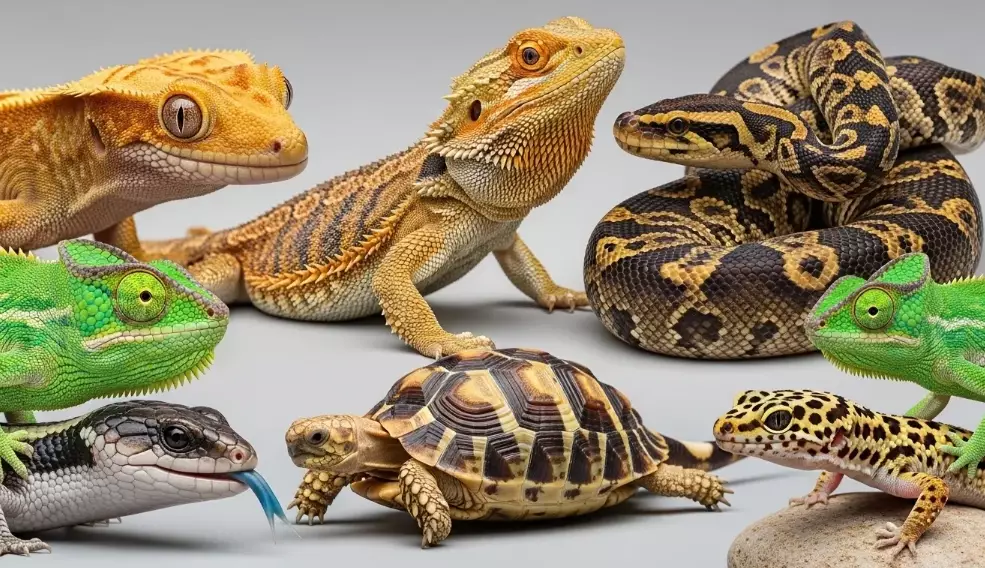
Beginner Reptile Care: 7 Costly Mistakes New Owners Make
Struggling with your first reptile setup? Why do most beginner reptile care mistakes happen in week one? I share hands-on lessons from a decade of keeping snakes and geckos, including the $200 error I still regret.
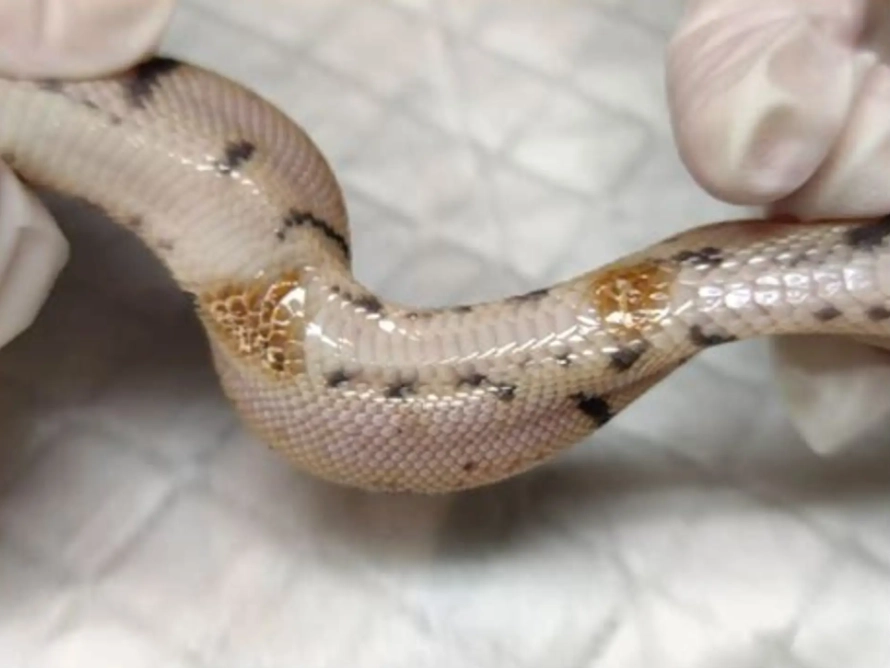
Signs of Sick Reptile: 12 Warning Signs Owners Miss
What are the early signs of a sick reptile that most owners overlook? From subtle weight loss to odd basking habits, here are 12 warning signs a seasoned keeper checks daily.
Comments