Ball Python Care: Setup, Feeding & Handling Done Right
- Date
- Reads
- 11 x
Ball python care is mostly about getting a handful of physical details right: a tight-fitting hide, a warm spot you can measure, and prey that smells like prey. Most of the problems I see in keeper forums trace back to an enclosure that looks fine in a photo but fails in real life.
What We'll Walk Through
- Enclosure Reality Check: What Most Setups Get Wrong
- Heat and Humidity: Numbers You Can Trust
- How to Fix a Ball Python That Refuses Food
- Handling: When to Pick Up and When to Wait
- Shed, Poop, and Quick Health Checks
- A Decision Checklist Before You Change Anything
- Straight Answers to the Questions Keepers Actually Ask
Enclosure Reality Check: What Most Setups Get Wrong
I've helped rehouse more than thirty ball pythons over the years, and the same story keeps coming up. The keeper bought a beautiful front-opening glass tank, added a heat lamp and a log, and the snake spent three weeks pinned to the back corner. The photo looked great. The snake was stressed.
What ball pythons want isn't a display cabinet. They want cover. A 40-gallon breeder tank works for an adult, but only if you fill the open space with structure. I use two snug hides, a water bowl sized so the snake can soak, and a branch that gives a bit of overhead cover. That branch matters more than people think; they climb at night when nobody watches.
Here's the thing I wish more new keepers understood: the enclosure should look a little crowded. If you can see most of the floor from above, the snake feels exposed.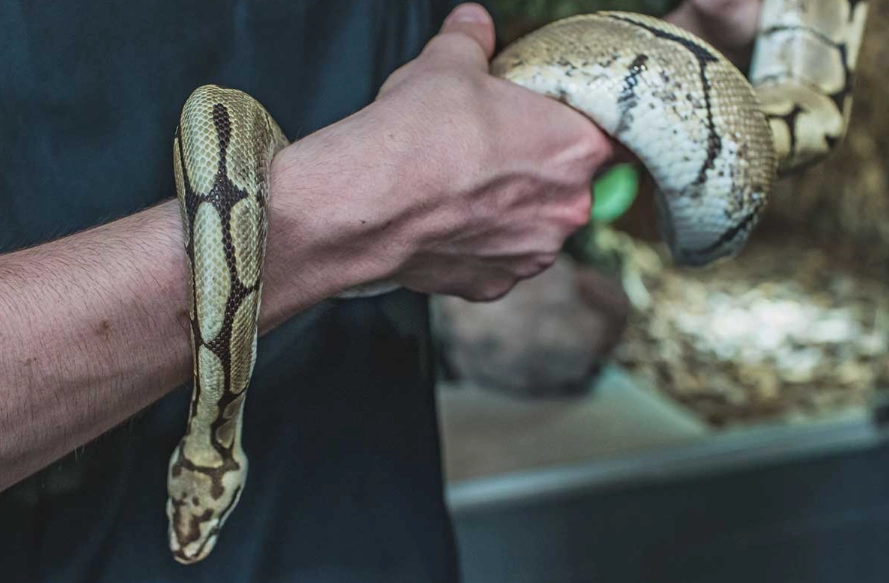
| Item | Adult target | Why it matters |
|---|---|---|
| Hide boxes | 2, tight-fitting | One warm, one cool; adds security during shed |
| Floor size | 36 x 18 inches minimum | Longer snakes need floor over height |
| Water dish | Large enough to soak | Helps with humidity and hydration |
| Cover decor | Branch and foliage | Encourages natural movement at night |
Heat and Humidity: Numbers You Can Trust
I measure temperature with a digital probe at the hot end and a second probe under the cool hide. The warm end should sit around 88 to 90 degrees Fahrenheit. The cool end sits near 78 to 80. If the warm end climbs past 92 for more than a few hours, the snake will avoid it; avoid it long enough and it stops digesting properly.
Humidity is where the real fight happens. Most ball pythons shed cleanly in the 55 to 65 percent range. When a shed looks like a cracked old sticker, I bump humidity with a damp sphagnum moss hide, not by spraying the whole tank. Spraying raises numbers for an hour and then swings the enclosure back down. That swing is what causes most respiratory issues I've seen in captive collections.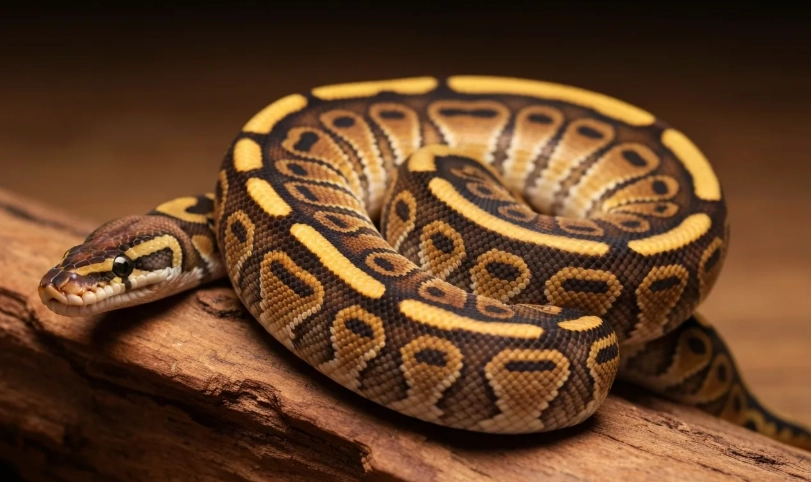
How to Fix a Ball Python That Refuses Food
Feeding strikes are the single biggest worry for new keepers, and I get it. A ball python skipping a meal feels like a personal failure. But the species is wired to eat when conditions are right, and the reason for a refusal usually falls into a short list.
Here's the order I check when a snake stops eating. First, I confirm the prey is warm enough to register on the snake's heat sensors. I warm frozen-thawed rodents with a quick dip in hot water and offer immediately. Second, I check if the snake is in shed. Third, I look at the temperature gradient; a cooling hot spot can kill appetite within a week. Then I leave the snake alone for a full week before offering again.
Never hover. I once watched a keeper reoffer a rat every evening for four days while standing over the tank. That snake was not going to eat. A day after the keeper left on a trip, the snake ate without any fuss.
Things I don't do: I don't move a refusing snake into a smaller tank, and I don't shake the prey in the snake's face. Those moves raise stress, not feeding response.
Handling: When to Pick Up and When to Wait
New keepers often want to handle the snake daily. The snake would prefer once a week, and honestly the snake wins that argument. I handle to check the body, clean the enclosure, and do the occasional check for scale or mouth issues. Anything more is for my benefit, not the snake's.
When to leave the snake alone
- During shed, when the skin turns cloudy
- Within 48 hours after a meal
- During the first two weeks in a new enclosure
- Any time the snake has refused food that week
My rule of thumb is simple: a settled ball python will stretch out and explore. If it balls up the moment I open the lid, I close it and come back later. That tight coil is information.
Shed, Poop, and Quick Health Checks
A healthy shed comes off in one piece, or in two big pieces, within a day. If there's a ring of stuck skin around the neck or tail tip, I soak in lukewarm shallow water for twenty minutes and gently rub with a damp cloth. Never peel dry skin. I've seen a keeper cause a tiny wound at the tail base that later needed vet care.
Weekly checks I do without hesitation: eyes and nostrils free of discharge, vent area clean, no small dark specks in the water bowl (that usually means mites, not dirt), and body weight trending up over months rather than days.
A Decision Checklist Before You Change Anything
Before I adjust a setup, I run this quick list in my head. It has saved me a lot of unnecessary tank changes.
- Is the hot spot measured with a reliable probe, or am I guessing?
- Did the problem start after a shed or a meal? Time the change against shed schedule.
- Did I add anything new, such as a decorative item, that might carry a smell?
- Is the water dish clean and does the humidity hide still hold moisture?
Straight Answers to the Questions Keepers Actually Ask
My ball python ate fine for six months and now won't touch food. What changed?
In my experience, the most common cause is a heat source that slowly shifted, like a bulb losing intensity over time. I also check for a pending shed and whether the snake is at a weight plateau. If all three look right, I leave the snake alone for seven days and then offer a smaller, warmer prey item. Skipping a few weeks is not dangerous for a healthy adult.
Is a glass tank bad for ball python care?
A glass tank works fine if you cover the back and sides with something opaque and fill the floor with structure. The species is shy, and glass encourages reflection and visibility from all angles. I use black construction paper on the back panel and pack the corners with cork, then a glass tank stops being a problem.
How often should I clean if the snake refuses to use one side of the enclosure?
The refusing side usually tells you about a temperature or humidity problem, not a cleanliness one. I check the cool hide floor with a probe. If it reads near 80 and the snake still refuses, the hide is probably too large or too exposed. Swap it for a tighter hide before assuming the tank needs a deep clean.
Do I need a vet if the snake has a single retained eye cap?
A single stuck eye cap after a shed can resolve with one humidity bump and patience. If the cap is still there after the next shed, or if both eyes are affected, a reptile vet visit is worth the money. I don't recommend physical force.

Related
Reptile UVB Lighting: Fix Metabolic Bone Disease Fast
Struggling with your reptile's sluggish behavior or soft bones? Learn how to choose the right UVB bulb, set the correct distance, and avoid the most common lighting mistakes that lead to metabolic bone disease.
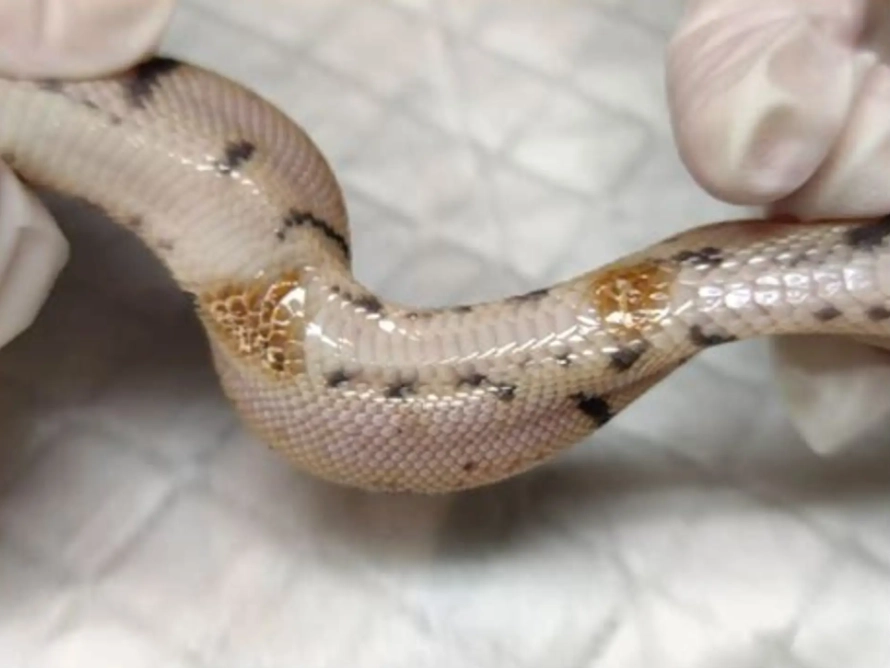
Signs of Sick Reptile: 12 Warning Signs Owners Miss
What are the early signs of a sick reptile that most owners overlook? From subtle weight loss to odd basking habits, here are 12 warning signs a seasoned keeper checks daily.
Amphibian Care for Beginners: Avoid Rookie Mistakes
Wondering why your new frog or salamander keeps hiding or won't eat? Get real amphibian care for beginners tips from someone who's made the mistakes—proper housing, feeding, and handling without the fluff.
Comments