Amphibian Care for Beginners: Avoid Rookie Mistakes
- Date
- Reads
- 6 x
What You'll Find Here (Skip to the Good Stuff)
I still remember my first fire-bellied toad. Bought at a reptile expo. Looked lively. Died in eleven days. The pet store sold me a plastic critter keeper, some blue gravel, and a bottle of "amphibian vitamins." That setup was a coffin. I've since kept over twenty species—from white's tree frogs to axolotls—and the biggest lesson in amphibian care for beginners is this: most failures happen in the first two weeks because people copy fish tank logic. Amphibians aren't fish. They're not reptiles either. They breathe through skin, absorb chemicals directly from water, and stress out if you look at them wrong. Let me save you the heartbreak.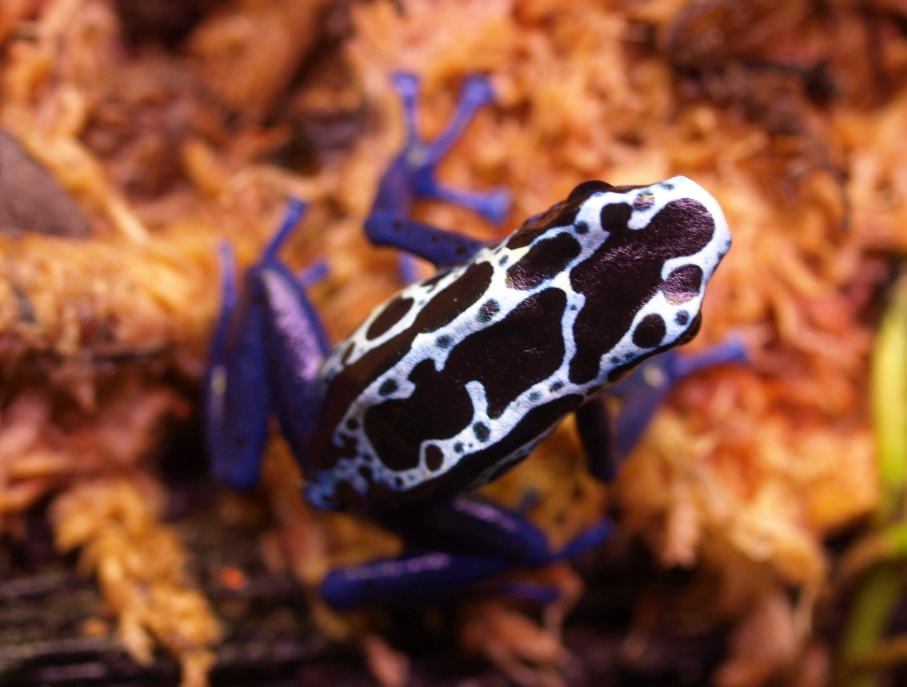
Housing Setup: The Enclosure That Actually Works
Pet store kits are almost always too small. A 10-gallon tank for a juvenile American toad? Fine for a month. For an adult? Cruel. My rule: minimum 20 gallons long for any terrestrial frog or toad, 30 gallons for semi-aquatic species like fire-bellied toads. Height matters more than floor space for tree frogs—a 18x18x24 inch Exo Terra front-opening terrarium is my go-to recommendation for white's tree frogs.
Substrate is where beginners screw up silently. Gravel? Dangerous if swallowed (impaction kills). Calcium sand? Clumps in their gut. I use a 50/50 mix of coco fiber and sphagnum moss, packed down. For burrowers like tomato frogs, add 3-4 inches depth. For arboreal species, skip the deep substrate and use cork bark tubes mounted vertically.
Water quality: unless you're on well water, assume your tap has chloramines. A standard dechlorinator (Seachem Prime) works, but here's the non-consensus bit—don't rely on bottled "amphibian water." It's overpriced distilled water with no minerals. Instead, use dechlorinated tap water and add a trace mineral supplement once a week. I learned that from a retired zookeeper at the Detroit Zoo's amphibian house; he said their dart frogs bred only after they started adding calcium carbonate powder to the misting system.
Temperature gradient: most beginners miss this. A heat mat under the tank? Wrong—amphibians burrow to escape heat. Provide a gradient by placing a low-wattage heat mat on the side of the tank, not bottom. For tropical species, 75-80°F on the warm side, 68-72°F cool side. Use a digital thermometer with a probe (not those stick-on dials that are off by 8 degrees).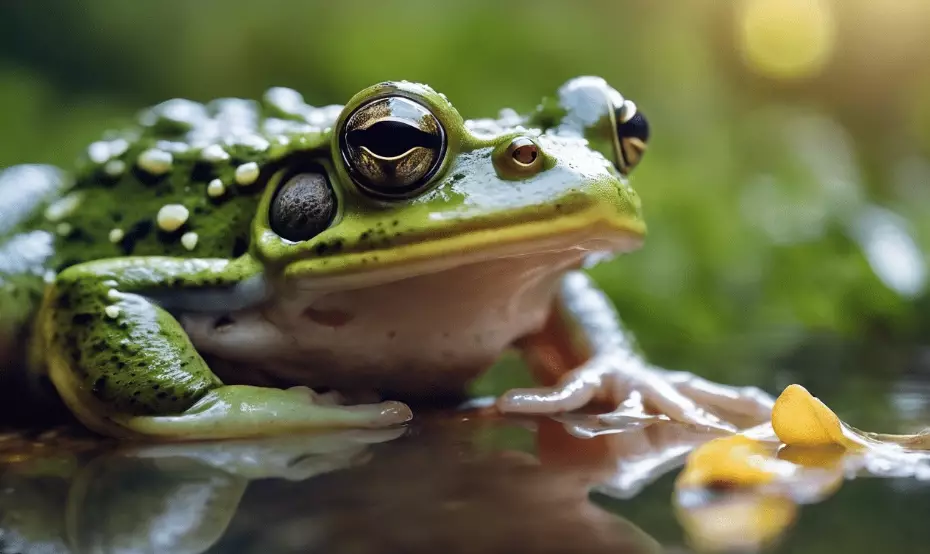
My exact beginner setup for a Pacman frog (Ceratophrys ornata):
- 20-gallon long tank, lid with mesh (they can push off glass lids)
- 4 inches of coco fiber, moist but not dripping—squeeze a handful, no water should run
- One shallow water dish (1 inch deep max) with dechlorinated water changed daily
- No heat lamp—use a 25W ceramic heat emitter on a thermostat, set to 78°F
- Two fake plants for cover (they hide 90% of the time; that's normal)
Feeding: Why Your Frog Ignores Crickets
New keepers toss in a dozen crickets and panic when the frog sits there. Here's the thing: amphibians hunt movement, but they also stress in new environments. Give them three days of silence (no handling, no staring, just misting) before offering food. Then try one cricket at a time with tweezers. If they still don't strike, the cricket might be too big. Rule of thumb: feeder insect length should be no more than the distance between the frog's eyes.
Dusting schedule: calcium with D3 twice a week for growing juveniles, once a week for adults. But—and this is where I see people overdo it—don't dust every meal. Vitamin A toxicity is real in amphibians; I've seen fatal cases in chameleons and it happens in frogs too. Use a multivitamin once every two weeks max.
What about live food variety? Crickets are fine as a staple but not enough. My rotation: crickets (gut-loaded with carrots and oats for 24 hours before feeding), dubia roaches (better calcium ratio), and occasional waxworms as treats. For aquatic species, bloodworms and brine shrimp work, but avoid freeze-dried—they float and lose nutrition.
Handling: The Uncomfortable Truth
You shouldn't handle amphibians unless necessary. Their skin absorbs everything—lotions, soap residue, even the natural oils on your hands. I've seen a keeper's green tree frog develop a bacterial infection from handling after using hand sanitizer. If you must move them (tank cleaning), wet your hands with dechlorinated water first, no soap. Use a soft net or a clean plastic container to scoop, never grab.
That said, some species tolerate brief handling better—American toads and marine toads are more robust. But "tolerate" means two minutes max, then back in the enclosure. Don't pet them like a dog. They're not cuddly, and stress kills faster than you'd think.
5 Beginner Mistakes I See Every Week
- Using tap water without dechlorinator – Chlorine burns their skin. Chloramines are worse; they don't evaporate. Always treat.
- Overcrowding – Two male fire-bellied toads in a 10-gallon? Fight to the death. One per 10 gallons minimum.
- Wrong humidity – Buying a hygrometer but placing it on the tank wall. Humidity at the substrate level is 15-20% higher. Put the probe near the frog's hiding spot.
- Feeding dead insects – They won't eat them. Crickets must be alive and moving. If you're squeamish, get a frog that eats pellets (Pacman frogs sometimes take dry food, but it's rare).
- Ignoring quarantine – New amphibian? Keep it in a separate room for 30 days. I learned this after introducing a chytrid-positive frog (didn't know at the time) and losing three others. Now I swab-test every new arrival.
FAQ: Real Questions From Real Keepers
Get the water right, skip the handling, and feed live insects of the correct size. That's 90% of amphibian care for beginners. The rest is patience—they hide, they fast, they shed. Watch for changes in behavior, not just appearance. And if a pet store employee tells you a critter keeper is fine for a growing bullfrog, walk away. I wish I had.
This article was fact-checked against the Amphibian Husbandry guidelines published by the Association of Zoos and Aquariums (AZA) and the IUCN Amphibian Specialist Group's care recommendations.

Related
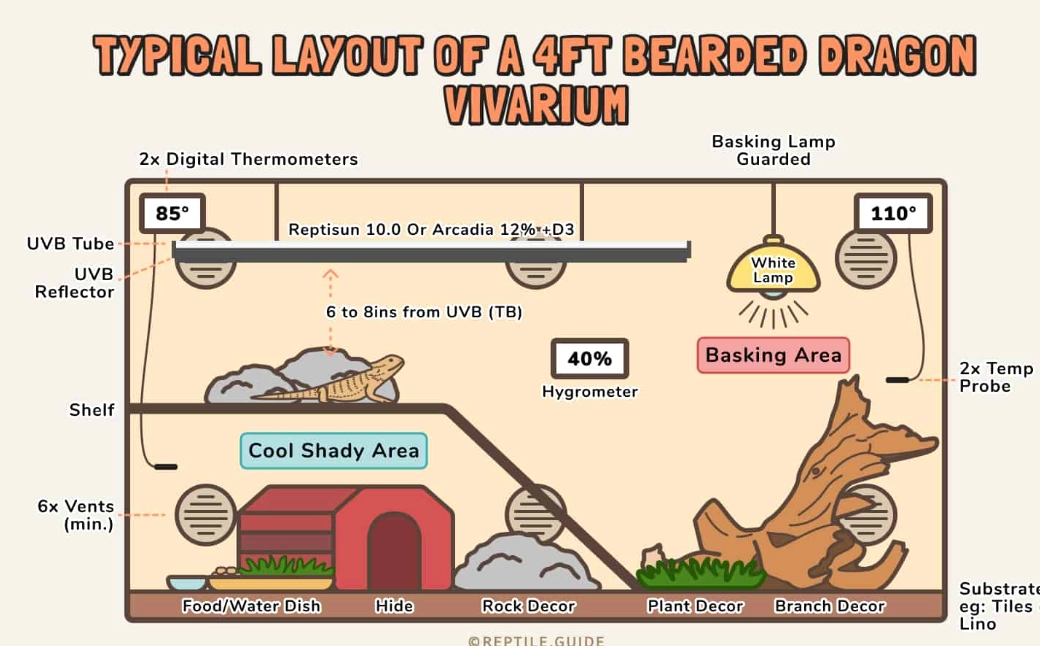
Bearded Dragon Care: 7 Deadly Mistakes New Owners Make
What if your bearded dragon's setup is quietly making it sick? From UVB placement to salad timing, I share the 7 mistakes I see most often after 10 years of keeping beardies—and exactly how to fix them.
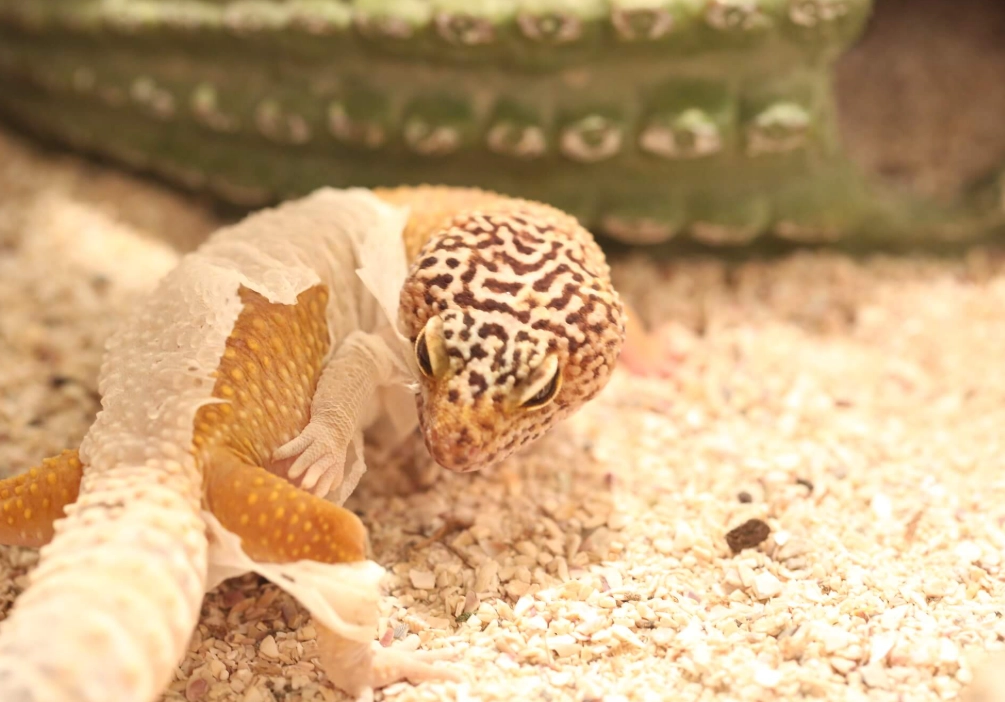
Reptile Shedding Problems: Why Your Gecko or Snake Stuck Shed
Struggling with a reptile shedding problems? Learn why your gecko or snake leaves stuck shed, the exact humidity and vitamin fixes I use, and when dysecdysis needs a vet visit.
Signs of Sick Reptile: 12 Warning Signs Owners Miss
What are the early signs of a sick reptile that most owners overlook? From subtle weight loss to odd basking habits, here are 12 warning signs a seasoned keeper checks daily.
Comments