Let's cut to the chase. You've seen the headlines about a quake in Japan, your flight is booked, and now you're nervously googling. Is it still safe to go? The short answer is: most likely, yes. Japan is one of the most prepared nations on earth for seismic events. But that "yes" comes with a massive, non-negotiable asterisk: your safety depends almost entirely on your own knowledge and preparation. I've lived through a dozen sizable tremors in Tokyo, and the biggest mistake tourists make isn't going—it's going unprepared, thinking "it won't happen to me." This guide isn't about fear; it's about empowerment. We'll move beyond generic advice and into the specific, actionable steps that separate a panicked visitor from a prepared one.
What's Inside This Guide?
- Understanding the Real Risk: Seismic Japan
- Before You Go: Your Non-Negotiable Pre-Trip Checklist
- How to Stay Safe During an Earthquake in Japan?
- Tsunami-Specific Safety: If You're Near the Coast
- What Should You Do After an Earthquake?
- Practical Resources & Real-Time Information
- Your Pressing Questions Answered
Understanding the Real Risk: Seismic Japan
First, context. Japan experiences around 1,500 noticeable earthquakes every year. Most are tiny tremors you'd miss if you were walking. The country sits on the Pacific Ring of Fire, where several tectonic plates meet. Earthquakes aren't an "if" in Japan; they're a "when." This isn't a secret—it's the foundational reason for Japan's unparalleled infrastructure and public preparedness.
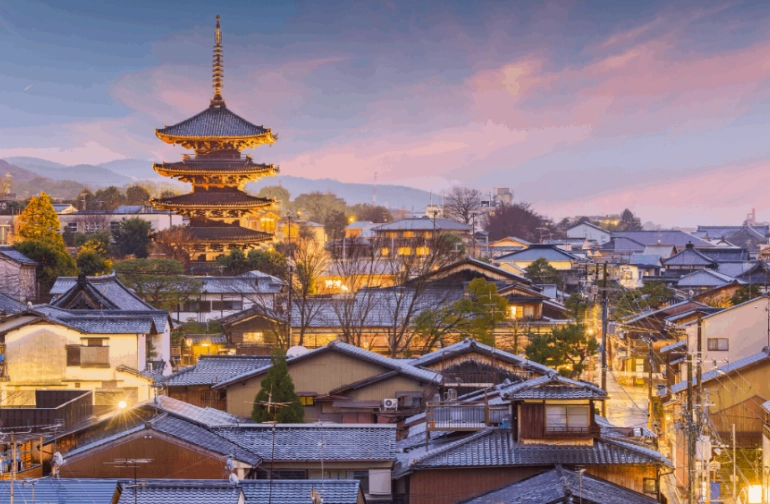
The risk isn't evenly distributed. Recent major events, like the 2024 Noto Peninsula earthquake or the 2011 Tohoku quake, primarily affect specific regions. The Noto Peninsula in Ishikawa prefecture suffered significant damage, while life in Tokyo, Osaka, or Kyoto continued normally over 300 miles away. The key is location and timing. A quake in Hokkaido doesn't mean Kyoto is unsafe.
The Expert Reality Check: The seismic risk in popular tourist cities like Tokyo, Kyoto, and Osaka is constant but low-probability for a major event during your 2-week trip. The real daily risk for travelers is minor to moderate shaking, which is disruptive and scary but rarely dangerous if you know what to do. Your primary concern should be disruption—delayed trains, temporarily closed attractions—not catastrophe.
Before You Go: Your Non-Negotiable Pre-Trip Checklist
Preparation is everything. Do these three things before you board the plane.
1. Get the Right Travel Insurance
This is the most overlooked step. Standard policies often exclude "natural disasters" or have weak trip interruption coverage. You need a policy that explicitly covers:
Trip Cancellation/Interruption due to earthquakes or tsunamis.
Emergency Evacuation (medivac).
Additional accommodation & transportation costs if you're stranded.
Read the fine print. Companies like World Nomads or SafetyWing often have clearer natural disaster clauses. Don't skimp—this is your financial safety net.
2. Download These Essential Apps
Your phone is your lifeline. Install these before you land:
Yurekuru Call (ゆれくるコール): The official early warning app. It gives you precious seconds (5-20) of warning before strong shaking hits. Set it to English.
NHK World Japan: For official, reliable English news during a crisis. Avoid social media for initial info—it's full of rumors.
Google Maps: Offline maps of your city. If cell networks are jammed, you can still navigate.
Your embassy's smart traveler app: For registration and emergency alerts.
3. Pack a Mini Emergency Kit
Hotels have procedures, but having your own kit is wise. In a zip-lock bag, pack:
- A small flashlight or headlamp (power outages happen).
- A power bank for your phone.
- A printed list of emergency numbers (embassy, hotel, local contacts).
- A physical map of your area.
- A whistle (in case you need to signal for help).
- A small amount of cash in Japanese Yen. ATMs and credit card systems may fail.
How to Stay Safe During an Earthquake in Japan?
The shaking starts. This is where instinct often gets it wrong. Forget doorframes—that's outdated advice. The universal rule in Japan is DROP, COVER, and HOLD ON.
DROP to your hands and knees immediately. This prevents you from being knocked over.
COVER your head and neck with your arms. Get under a sturdy table if possible. If not, move to an interior wall away from windows.
HOLD ON to your shelter (the table leg) until the shaking stops.
Specific Scenarios:
In a hotel room: Stay inside! Do not run into the hallway or try to use elevators. Get under the desk or bed. The structure is designed to withstand shaking.
Outdoors: Move to an open area away from buildings, streetlights, utility wires, and trees. Drop and cover.
In a train/subway: Hold on to a strap or rail. The train will likely stop. Follow the crew's instructions.
In a store: Move away from shelves containing heavy items. Use your bag or shopping basket to protect your head.
I was in a department store during a magnitude 5.5 quake. The most dangerous thing wasn't the building—it was the crowd's panic and the unsecured decorative items falling from high shelves. My eyes went straight up, and I moved to the central atrium away from any display.
Tsunami-Specific Safety: If You're Near the Coast
If you feel strong, prolonged shaking near the coast, or if you receive a tsunami warning (a loud siren and urgent announcements), do not wait to see the water.
Immediately move to high ground or a designated tsunami evacuation building. Follow the green and white "Tsunami Evacuation Route" signs with a running figure. Do not use your car; traffic jams are deadly. Walk or run. The first wave may not be the largest. Stay on high ground until authorities give an all-clear. This is non-negotiable if you're in a coastal area like Kamakura, Atami, or parts of Hokkaido.
What Should You Do After an Earthquake?
The shaking stops. Now what? This phase is about information and communication.
- Check for injuries on yourself and those around you.
- Extinguish any open flames (candles, stoves) if safe to do so.
- Expect aftershocks. They are common and can be strong.
- Turn on NHK World or check the Yurekuru app for official information on tsunami warnings, magnitude, and epicenter.
- Conserve your phone battery. Use text messages or apps like LINE to communicate; they use less power and work better on congested networks than voice calls.
- Listen to local authorities via hotel staff, train announcements, or loudspeakers.
- If you must evacuate your hotel, leave a note in your room stating your name and where you are going.
Practical Resources & Real-Time Information
Bookmark these authoritative websites. They are your source of truth, not Twitter.
| Resource | What It Provides | Why It's Essential |
|---|---|---|
| Japan Meteorological Agency (JMA) | Official earthquake info, tsunami warnings, maps, and data. | The primary government source. All media reports stem from here. |
| Japan National Tourism Organization (JNTO) Safety Page | Multilingual safety tips and emergency contact guides for tourists. | Tailored specifically for visitor needs and language barriers. |
| USGS Earthquake Hazards Program | Global seismic data, often with faster initial reports than JMA. | Good for getting a quick, scientific understanding of a quake's scale. |
| Your Home Country's Embassy in Japan | Registration, emergency alerts, and consular assistance. | They are your direct link to help from your own government. |
Your Pressing Questions Answered
Almost certainly not, unless your travel plans specifically involved the heavily damaged area (like the Noto Peninsula). Tokyo is geographically distant. Cancelling a trip to Tokyo because of an earthquake in Ishikawa is like cancelling a trip to Chicago because of a hurricane in Florida. Check your airline and accommodation policies—they may allow free changes if you're nervous—but from a safety perspective, Tokyo's risk profile hasn't changed.
Modern buildings (post-1981, especially post-2000) are engineered to an exceptional standard. They use base isolation and damping technologies to sway with the quake, not resist it rigidly. The goal is to prevent collapse and save lives, which they do remarkably well. The greater risk in modern buildings is from non-structural elements: toppling furniture, falling ceiling panels, or broken glass. That's why "Drop, Cover, Hold On" is focused on protecting you from what's inside the building, not the building itself.
It depends on how you manage it. Japan's predictability is its strength. You know the risk exists, and the entire society is built around managing it. For some, this preparedness is reassuring. For others, the mere possibility is paralyzing. If you go, hyper-focus on your preparation: know your hotel's evacuation route, always have your shoes and flashlight by the bed, and practice the drop-cover-hold-on drill. This active preparation can reduce anxiety more than trying to ignore the risk. If the thought will ruin your entire trip, consider a destination with lower seismic activity.
The technology is highly reliable for detecting quakes, but the usefulness of the warning to you depends on distance. If the epicenter is close (like within 50 km), you might get only a few seconds of warning or feel the shaking simultaneously. For quakes further away, you could get 10-30 seconds. That's enough time to drop and cover, or move away from a window. Don't expect a minute to ponder your life choices—it's a cue for immediate, reflexive action. Always ensure your phone's volume is on at night.
Footwear. I've seen tourists in hotels during drills wearing only the provided slippers or barefoot. After a quake, the floor will be covered with broken glass and debris. The single most important item next to your bed is a pair of sturdy shoes. Make it a habit every night: glasses, phone, shoes. It sounds trivial until you need to walk across a shattered lobby.
Traveling to Japan requires respecting its natural environment, which includes seismic activity. The safety question isn't answered with a simple yes or no, but with your level of awareness and readiness. Japan isn't just safe despite the earthquakes; its profound culture of preparedness is what makes it safe. Do your homework, pack your common sense alongside your camera, and you can explore this incredible country with confidence, knowing you're ready for the unlikely event that the ground decides to move.



Comments