Let's cut to the chase. A trip to Japan doesn't have to break the bank, but it's not Southeast Asia cheap either. For a comfortable, mid-range experience—think business hotels, the occasional train ride, and plenty of ramen and sushi—you're looking at roughly $100 to $150 per person, per day, excluding flights. For a 10-day trip, that's a ballpark of $1,000 to $1,500 for ground costs. But that number is useless without context. I've made the budget mistakes on my first trip, paying for overpriced tours and wrong train passes. Let's break down exactly where your money goes, from the flight over to that last souvenir.
Your Japan Budget Roadmap
Busting the "Japan is Expensive" Myth
Japan gets a bad rap for being pricey, often lumped in with Scandinavia or Switzerland. It's a misconception. While luxury exists (and it's incredible), the baseline for quality is so high that even budget options are clean, safe, and efficient. A $10 bowl of ramen in Tokyo can be a culinary masterpiece. A $80 hotel room is spotless and has a high-tech toilet. The value you get for your money often exceeds what you'd find in North America or Europe at similar price points. The key is knowing where you can save and where it's worth spending a bit more.
The Real Cost Breakdown: Where Your Yen Goes
Let's get granular. These are 2024 approximations. Prices fluctuate with season (cherry blossom and autumn are peak), exchange rates, and your personal habits.
1. The Big One: Flights to Japan
This is your largest variable. From North America, expect $800 to $1,500 for a round-trip economy ticket to Tokyo (NRT/HND) or Osaka (KIX). From Europe, it's similar, maybe a touch higher. From elsewhere in Asia, it can be under $500. I use Google Flights and set alerts. Flying mid-week, in shoulder seasons (late May-June, September-early November, excluding holidays), can save hundreds. A little-known tip: consider flying into Osaka if it's cheaper. Starting your trip in Kansai (Kyoto/Osaka) is just as good, sometimes better, than starting in Tokyo.
2. A Place to Sleep: Accommodation Costs
Space is a premium. Don't expect huge rooms unless you pay for them.
- Capsule Hotels & Hostels: ¥3,000 - ¥5,000 ($20-$35) per night. Great for solo travelers. Capsules are an experience—just pack light.
- Business Hotels: Your bread and butter. Chains like APA, Dormy Inn, or Toyoko Inn. ¥8,000 - ¥15,000 ($55-$100) per night for a double. Small but impeccably clean, often with free breakfast and onsen.
- Ryokan (Traditional Inns): A splurge experience with multi-course kaiseki meals. ¥15,000 - ¥40,000+ ($100-$270+) per person, per night. Worth it for at least one night.
- Luxury Hotels: ¥30,000+ ($200+) per night.
Airbnbs can be a middle ground for groups, but regulations have tightened. Book well in advance, especially for Kyoto.
3. Fueling Up: Food & Drink Expenses
You can eat like a king on a modest budget if you know where to look.
- Breakfast: Convenience store (konbini) feast: coffee, onigiri, sandwich. ¥500 ($3.50). Cafe breakfast: ¥1,000 ($7).
- Lunch: This is where you find deals. Ramen, soba, or udon shops: ¥800 - ¥1,200 ($5-$8). Department store basement food halls (depachika) for takeaway bento: ¥1,000 - ¥2,000 ($7-$14).
- Dinner: Izakaya (pub) hopping with drinks and small plates: ¥3,000 - ¥5,000 ($20-$35). Mid-range sushi restaurant: ¥4,000 - ¥8,000 ($27-$55). Casual tonkatsu or yakitori place: ¥1,500 - ¥2,500 ($10-$17).
- Drinks: Beer at an izakaya: ¥500-¥700. Vending machine drink: ¥120-¥150.
My rule? Splurge at lunch on a nice set meal (teishoku)—it's often 30% cheaper than dinner for similar quality.
4. Getting Around: Transportation Costs
This can sneak up on you. Local trains and subways are reasonable (¥180-¥300 per ride), but Shinkansen (bullet train) trips are major expenses.
- Tokyo Subway 24-hour Ticket: ¥800. A no-brainer if you take 3+ rides.
- Shinkansen, Tokyo to Kyoto: One-way, non-reserved seat, approx. ¥13,320 ($90).
- IC Cards (Suica/Pasmo): Put ¥2,000 on one when you arrive. Tap and go for trains, buses, konbini, vending machines.
- Local Bus in Kyoto: Flat fare ¥230.
- Intercity Bus (e.g., Tokyo to Kyoto): Overnight bus from ¥5,000-¥8,000 ($35-$55). Cheaper, but takes 8+ hours.
5. Experiences & Activities: Sightseeing & Fun
Many of Japan's best sights are cheap or free.
- Temple/Shrine Entry: Typically ¥300-¥800 ($2-$5.50). Some major ones like Tokyo's Senso-ji are free.
- Museums: ¥500-¥1,500 ($3.50-$10).
- Ghibli Museum: ¥1,000 (but tickets are like gold dust).
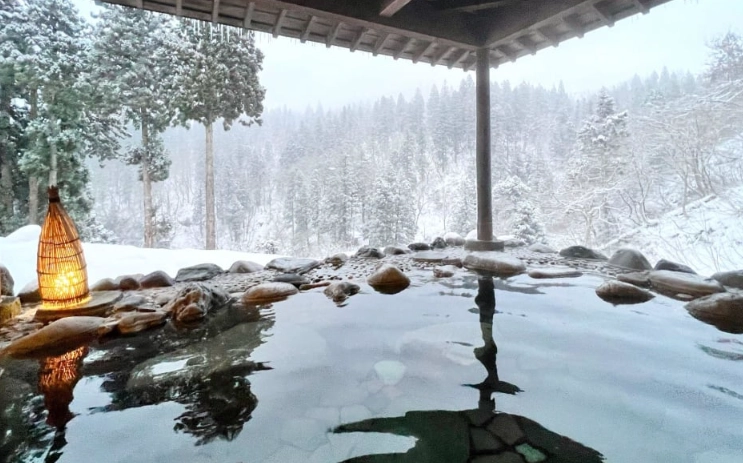
- Onsen (Public Bath): ¥500-¥1,000.
- Sumo Tournament Ticket: From ¥3,800.
6. Everything Else: Souvenirs, SIM Cards, Insurance
- Pocket WiFi / eSIM: ¥500-¥1,000 per day. Essential for navigation and translations.
- Souvenirs: From ¥300 for kit-kats to ¥10,000+ for ceramics.
- Travel Insurance: Don't skip this. $50-$150 for a trip depending on coverage.
Budget by Travel Style: Backpacker to Luxury
Let's put it all together. These are daily averages per person, excluding flights.
| Expense Category | Budget Backpacker | Comfort Traveler (Mid-Range) | Luxury Experience |
|---|---|---|---|
| Accommodation | ¥3,500 ($25) | ¥10,000 ($70) | ¥30,000+ ($200+) |
| Food & Drink | ¥3,000 ($20) | ¥5,000 ($35) | ¥10,000+ ($70+) |
| Local Transport | ¥1,500 ($10) | ¥2,000 ($14) | ¥3,000+ ($20+) (Taxis) |
| Activities/Souvenirs | ¥1,000 ($7) | ¥2,000 ($14) | ¥5,000+ ($35+) |
| TOTAL (per day) | ¥9,000 ($60) | ¥19,000 ($130) | ¥48,000+ ($325+) |
Remember, the Shinkansen is an extra, major cost on top of these daily figures. A backpacker doing a Tokyo-Kyoto round-trip would need to add about ¥27,000 ($180) to their total budget for that leg.
Practical Strategies to Save Money in Japan
Little habits add up to big savings.
- Luggage Forwarding: Sounds extravagant, but if moving cities, use Yamato Transport's Ta-Q-Bin service (¥2,000 per bag). It frees you up to travel light on trains, avoiding crowded overhead racks and hefty station locker fees.
- Eat at Department Store Food Halls (Depachika) just before closing (around 7-8pm) for heavily discounted, exquisite prepared foods.
- Free Water: Bring a bottle. Tap water is safe, and you'll find water dispensers in many parks, temples, and public buildings.
- Discount Tickets: Look for "Kinken" shops (discount ticket shops) near stations. They sell discounted theme park, movie, and sometimes train tickets.
- 100-Yen Shops: Daiso, Seria, Can Do. For souvenirs, daily necessities, and even decent kitchenware. A lifesaver.
A 7-Day Sample Itinerary & Cost Estimate
Let's make it concrete. Assume a mid-range solo traveler flying round-trip from Los Angeles to Tokyo.
Sample Costs:
- Flight: $1,100
- Accommodation (6 nights in business hotels): ¥60,000 ($400)
- Food & Drink (¥5,000/day): ¥35,000 ($235)
- Local Transport (IC Card + 24-hr tickets): ¥10,000 ($67)
- Shinkansen Tokyo-Kyoto one-way: ¥13,320 ($90)
- Activities/Souvenirs/SIM: ¥15,000 ($100)
Estimated Ground Total: ¥133,320 (approx. $892)
Flight + Ground Total: Approx. $1,992
This is a realistic figure for a week, moving between two major cities, eating well, and seeing the sights. You could shave off $300 by taking an overnight bus instead of the Shinkansen and staying in hostels, or add $500+ for nicer hotels and more fine dining.
Your Japan Budget Questions Answered
So, how much does it cost to travel to Japan? Anywhere from $70 to $300+ a day on the ground. The beauty is you have control. You can marvel at ancient temples, soak in onsens, and feast on incredible food without a luxury budget. Plan your transport wisely, embrace business hotels and lunch specials, and focus on a region rather than the whole country. Your bank account (and your sanity) will thank you. Japan is waiting, and it's more accessible than you think.

Comments