Let's cut to the chase. If you're a woman planning a trip to Japan alone, the short answer is a cautious yes, it is remarkably safe. I've traveled there solo multiple times over the past decade, from the neon canyons of Tokyo to the quiet temples of Kyoto, and the overwhelming feeling is one of order and respect. You can walk down a quiet street at night and feel fine, leave your bag on a café chair while you order, and trust that your lost wallet has a high chance of being returned. But—and this is a big but—"safe" doesn't mean "devoid of all concerns." It's not a utopia. The real question isn't just "is Japan safe?" but "what does safety *actually* look like for a solo female traveler on the ground?" This guide dives into the nuances, the quiet challenges, and the practical steps to ensure your trip is as smooth and confident as possible.
What You'll Find in This Guide
- Understanding Safety in Japan: The Big Picture
- Navigating Public Transport Alone (Day & Night)
- Where to Stay: Picking the Right Accommodation
- Nightlife, Bars, and Social Situations
- Cultural Etiquette That Affects Your Safety
- Specific Areas & Situations for Extra Caution
- Packing & Practical Essentials Beyond the Guidebook
- Your Solo Travel Questions, Answered Honestly
Understanding Safety in Japan: The Big Picture
Japan consistently ranks among the safest countries in the world according to global indices like the Numbeo Crime Index and the Global Peace Index. Violent crime against strangers is exceptionally low. You won't see widespread scams, aggressive touts, or fear random muggings. The societal emphasis on harmony and non-confrontation works in a traveler's favor.
However, the primary safety concerns for solo female travelers here are less about overt danger and more about nuanced discomfort, cultural misunderstandings, and very specific, localized risks. Think less "violent crime" and more "unwanted attention in a crowded train," "navigating a men-only sento (bathhouse) by mistake," or "feeling isolated in a rural area with no English." The safety net is high, but it's woven with different threads.
Navigating Public Transport Alone (Day & Night)
Japan's trains and subways are a marvel of efficiency. They're also where you'll spend a lot of time and face the most common issue: chikan (unwanted touching or groping in crowded carriages). It's a recognized problem, though not as omnipresent as some media suggests.
Late-Night Trains and Taxis
Last trains roll around midnight. After that, you're looking at taxis. They are safe but expensive. Use the official taxi stands at stations. Apps like "JapanTaxi" or "DiDi" work well. A little-known tip: Many major cities have "Ladies Taxis" driven by female drivers for female passengers. They're not always easy to hail randomly, but some companies like "Kokusai Motor Cars" in Tokyo offer them—call to request.
Where to Stay: Picking the Right Accommodation
Your choice of lodging sets the tone. Here’s a breakdown of options from a solo female perspective.
| Accommodation Type | Safety & Social Pros | Cons & Considerations | Approx. Nightly Price (¥) | Good For |
|---|---|---|---|---|
| Women-Only Hostel Floors/Capsules (e.g., "Nadeshiko Hotel Shibuya", Tokyo) |
Maximum privacy and peace of mind; often have better amenities (hairdryers, skincare); instant community. | Can book out far in advance; slightly higher cost than mixed dorms. | 4,000 - 7,000 | Budget-conscious travelers wanting security & social options. |
| Business Hotels (e.g., "Dormy Inn", "Toyoko Inn" chains) |
Single rooms with secure locks; predictable, clean, and reliable; often include breakfast. | Rooms are famously small; can feel impersonal; less social. | 7,000 - 12,000 | Travelers prioritizing privacy, efficiency, and a guaranteed standard. |
| Guesthouses / Ryokans (Family-run, traditional) |
Warm, personal service; cultural immersion; often in quieter neighborhoods. | May have shared bathrooms; fewer English speakers; check if they accept solo guests (some have min. 2-person policies). | 8,000 - 20,000+ | Those seeking a deeper cultural experience and don't mind less central locations. |
| APA Hotel Chain | Extremely convenient locations near stations; rooms have strong security locks. | A politically controversial chain (owning's views published in rooms); rooms are compact. | 6,000 - 10,000 | If location is your absolute top priority and you're aware of the controversy. |
I lean towards business hotels or women-only hostels. The key is location. Stay within a 10-minute walk of a major train station. It's worth the extra cost to avoid long, poorly lit walks late at night, even in safe areas.
Nightlife, Bars, and Social Situations
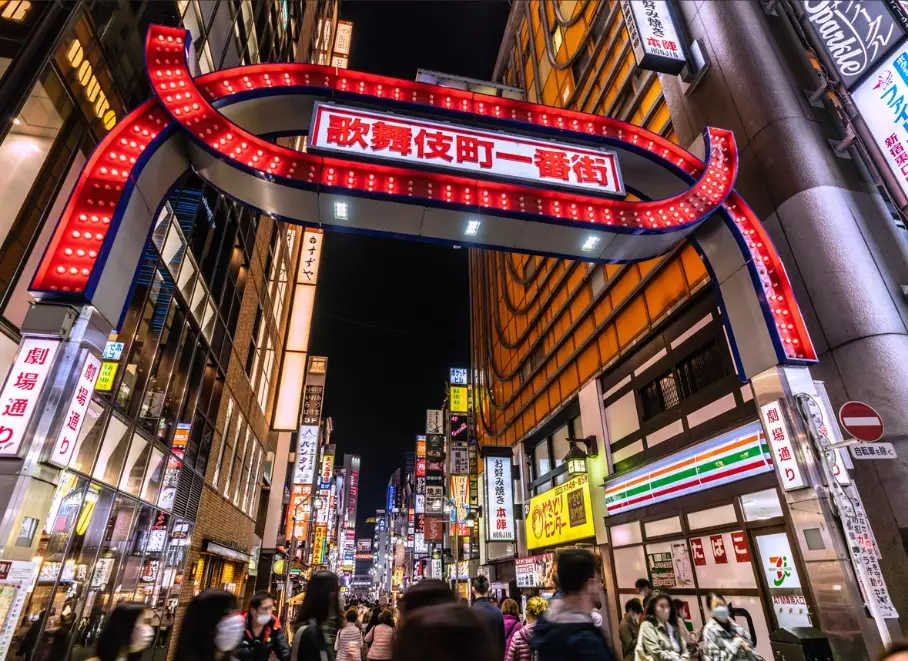
Japan's nightlife is incredible but requires a different radar. The golden rule: Never leave your drink unattended. This isn't Japan-specific, but it's crucial. In areas like Kabukicho (Tokyo) or Susukino (Sapporo), be wary of touts inviting you to bars—these can lead to overcharging scams.
Standing bars (tachinomi) and izakayas are generally safe and fun. A good tactic is to go to places recommended by your hostel/hotel or with good online reviews. If you want to meet people, join a reputable pub crawl or a food tour—it's a structured, safer way to socialize.
One subtle point: Japanese social drinking culture can involve pressure to keep up. It's perfectly fine to say "mou kekkou desu" (I'm fine now, no more) or nurse a single drink all night. Your boundaries will be respected.
Cultural Etiquette That Affects Your Safety
Understanding a few cultural norms can prevent awkward or unsafe situations.
- Onsen & Sento (Public Baths): They are gender-segregated. Double-check the curtain (noren) or sign (女 for women, 男 for men). Tattoos can be banned or require covering. Research "tattoo-friendly" onsens if you have them. The experience is incredibly safe and relaxing once you know the rules.
- Direct Confrontation: Creating a scene is deeply frowned upon. This is why a loud "Yamete!" on a train is so effective—it's a major social transgression by the perpetrator. For minor issues, a firm "Daijoubu desu" (I'm okay / No thank you) with a hand-up gesture usually works.
- Helpfulness: If you look lost, someone will often try to help without being asked. Police boxes (koban) are everywhere and are safe places to ask for directions or report issues.
Specific Areas & Situations for Extra Caution
No place is a monolith. Exercise standard big-city awareness in:
- Kabukicho, Tokyo: The red-light district. It's safe to walk through and gawk at the spectacle, but avoid following promoters into basement bars or "girl's bars" with ambiguous pricing.
- Roppongi, Tokyo: Popular with expats and military personnel. Some bars here are known for overcharging and drink spiking. Stick to well-established venues.
- Love Hotels: They are not inherently unsafe (many couples use them), but as a solo female, you might get curious looks. They're an option if you miss your last train and need a cheap place to crash until morning—just be aware of the context.
- Rural Areas: The risk isn't crime, but isolation. English disappears, transport is infrequent, and you might be the only guest at a remote ryokan. Have a solid plan, download offline maps, and inform your accommodation of your arrival time.
Packing & Practical Essentials Beyond the Guidebook
Pack light, but pack smart.
- A portable Wi-Fi router or SIM card: Non-negotiable. Google Maps is your lifeline. Book one for pickup at the airport.
- Cash and a coin purse: Many places are still cash-only, especially outside cities. Carrying cash is normal and safe.
- A small, cross-body bag with a zipper: Keeps your hands free and valuables secure in crowds.
- Slip-on shoes: For temples, ryokans, and some restaurants. A lifesaver.
- A photocopy of your passport and visa page: Leave the original in the hotel safe.
- The "Japan Official Travel App": Has reliable train schedules and navigation.
I also screenshot the address of my hotel in Japanese to show taxi drivers.
Your Solo Travel Questions, Answered Honestly
 Is it safe to use dating apps like Tinder while traveling solo in Japan?
 Japan offers one of the world's most rewarding solo travel experiences for women. The peace of mind you get from its fundamental public safety allows you to focus on the beauty, the food, and the culture. By layering on these practical, situation-aware strategies, you move from being just safe to being confidently in control of your journey. Pack your bag, trust your gut, and go explore.
Comments